Understanding Shallow, Closed-Loop Geothermal Wells for Data Centers


Introduction to Shallow, Closed-Loop Geothermal Wells
Data centers are the backbone of the digital age, powering everything from cloud storage to AI applications. As these centers grow, so do their energy needs. An innovative solution to reduce energy consumption and environmental impact is the use of shallow, closed-loop geothermal wells. This technology offers a sustainable way to manage the massive cooling requirements of data centers.

How Shallow, Closed-Loop Systems Work
The concept behind these systems is relatively simple. A closed-loop geothermal well circulates a fluid through underground pipes, absorbing the earth's natural heat or dissipating excess heat from the data center into the ground. This process is efficient and sustainable, leveraging the earth’s stable temperatures to maintain optimal conditions for data center operations.
Unlike open-loop systems that extract groundwater, closed-loop systems do not affect local water sources, making them more environmentally friendly. The system typically involves a series of vertical or horizontal loops installed a few hundred feet underground.
Benefits of Geothermal Cooling
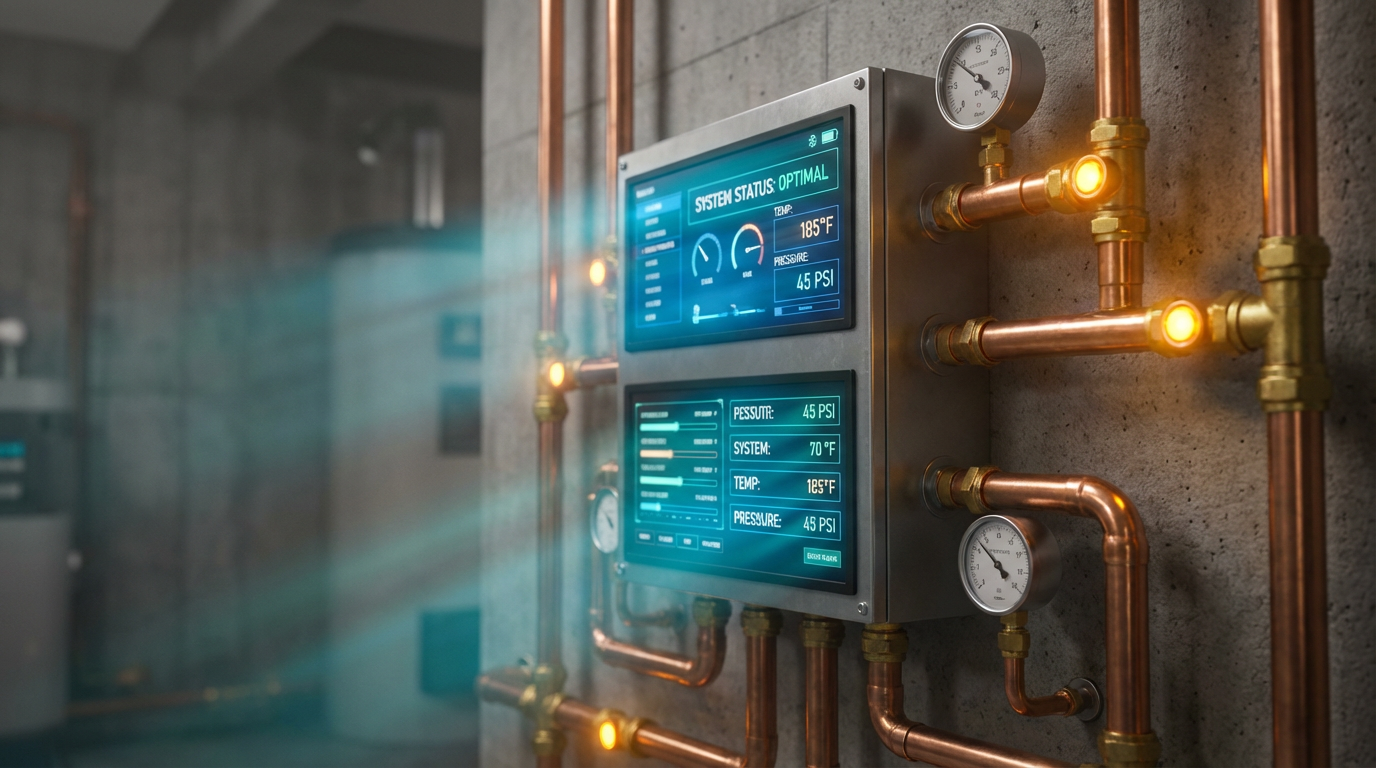
One of the primary advantages of using geothermal cooling is its energy efficiency. By tapping into the earth's natural temperature, data centers can significantly reduce their reliance on traditional HVAC systems, leading to lower operational costs. Additionally, this method produces minimal greenhouse gas emissions, aligning with global efforts to combat climate change.
Cost Considerations
While the initial setup cost for geothermal wells might be higher compared to conventional cooling systems, the long-term savings in energy bills can be substantial. Data centers may also benefit from government incentives for implementing green technologies, further offsetting installation costs.

Site Suitability and Installation
Not all locations are ideal for geothermal wells. Factors such as soil composition, land availability, and local climate conditions play crucial roles in determining site suitability. A thorough geological survey is essential before installation to ensure optimal performance and efficiency.
Environmental Impact
Geothermal systems offer a sustainable alternative with minimal environmental disruption. Since closed-loop systems do not interact with groundwater, they preserve local water tables and ecosystems. This makes them a preferred choice for data centers aiming to achieve eco-friendly certifications.
Future of Geothermal in Data Centers
As technology advances, the efficiency and effectiveness of geothermal systems continue to improve. More data centers are expected to adopt this technology, driven by the dual goals of reducing carbon footprints and lowering operational costs. Geothermal wells represent a promising path forward for sustainable data center cooling.
In conclusion, shallow, closed-loop geothermal wells offer a viable solution for modern data centers seeking energy efficiency and environmental responsibility. By harnessing the earth's natural resources, these systems provide a stable, long-term cooling solution that aligns with broader sustainability goals.