Myth-Busting: Common Misconceptions About Geothermal Cooling


Understanding Geothermal Cooling
Geothermal cooling is an innovative technology that leverages the Earth's stable underground temperature to regulate indoor climates. Despite its growing popularity, several misconceptions persist, often deterring homeowners and businesses from considering this sustainable option. Let's delve into some of these myths and set the record straight.
Myth 1: Geothermal Systems Are Too Expensive
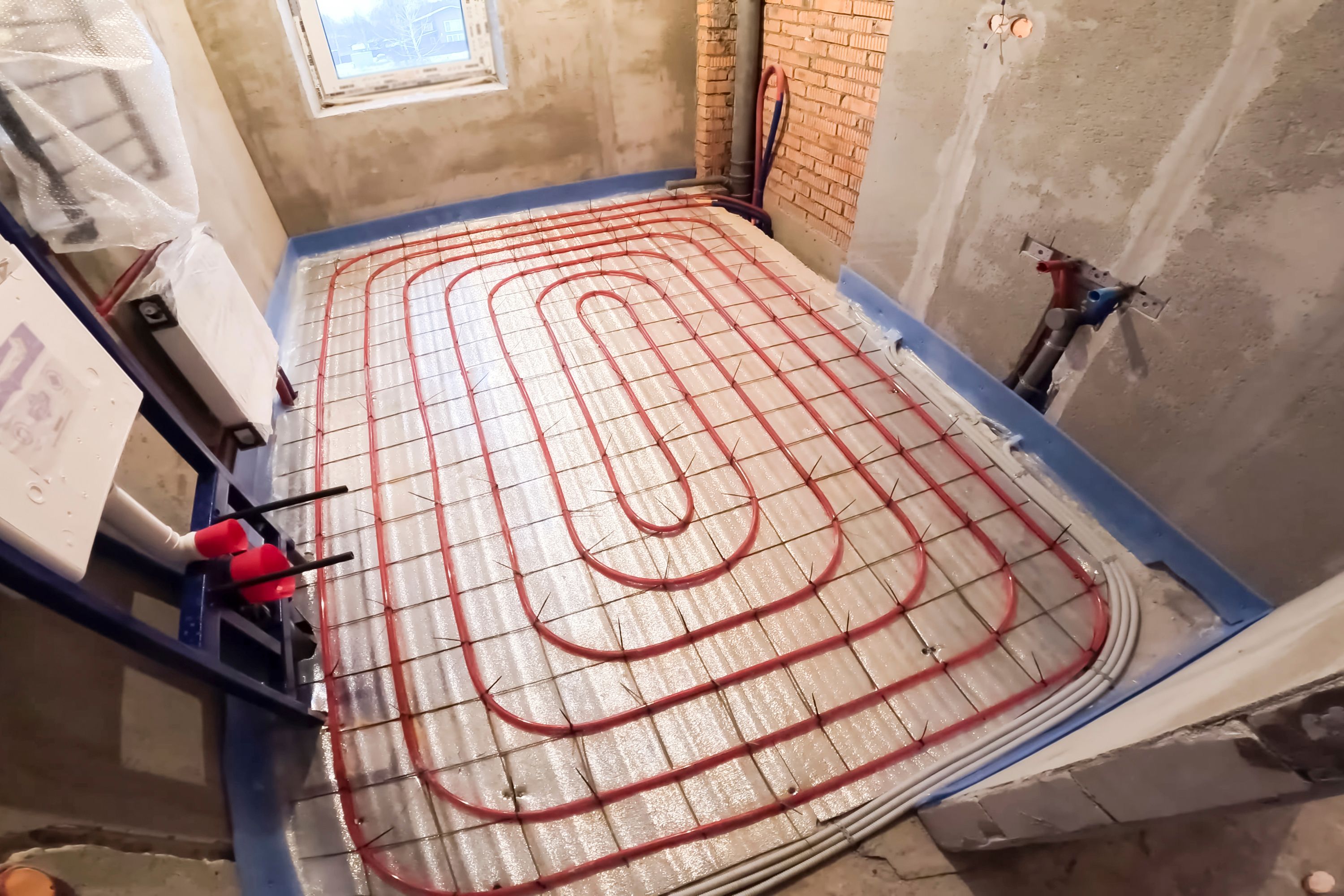
One of the most common myths is that geothermal systems are prohibitively expensive. While the initial installation cost can be higher than traditional systems, it's important to consider the long-term savings. Geothermal systems are highly energy-efficient, often reducing energy bills by up to 70%. Additionally, government incentives and rebates can significantly lower the setup costs.
Myth 2: Geothermal Cooling Only Works in Certain Climates
Many believe geothermal systems are only effective in specific climates. In reality, these systems work well across various climates because they rely on the Earth's consistent underground temperature rather than external weather conditions. This makes them versatile and effective in both hot and cold environments.

Myth 3: Geothermal Systems Are Noisy
Contrary to popular belief, geothermal cooling systems are typically quieter than conventional HVAC systems. The majority of the system is located underground, which minimizes noise. Additionally, the indoor components are designed to operate quietly, providing a more peaceful environment.
Efficiency and Environmental Impact
Geothermal systems are renowned for their efficiency and minimal environmental impact. They use renewable energy from the Earth, reducing dependency on fossil fuels and decreasing carbon emissions. This makes geothermal cooling a sustainable choice for eco-conscious individuals.

Myth 4: Geothermal Systems Require Extensive Land
Another misconception is that geothermal systems need vast amounts of land. While horizontal systems do require more space, vertical installations are suitable for properties with limited land. These systems use deep wells, making them adaptable to a variety of property sizes.
Myth 5: Maintenance is Complicated
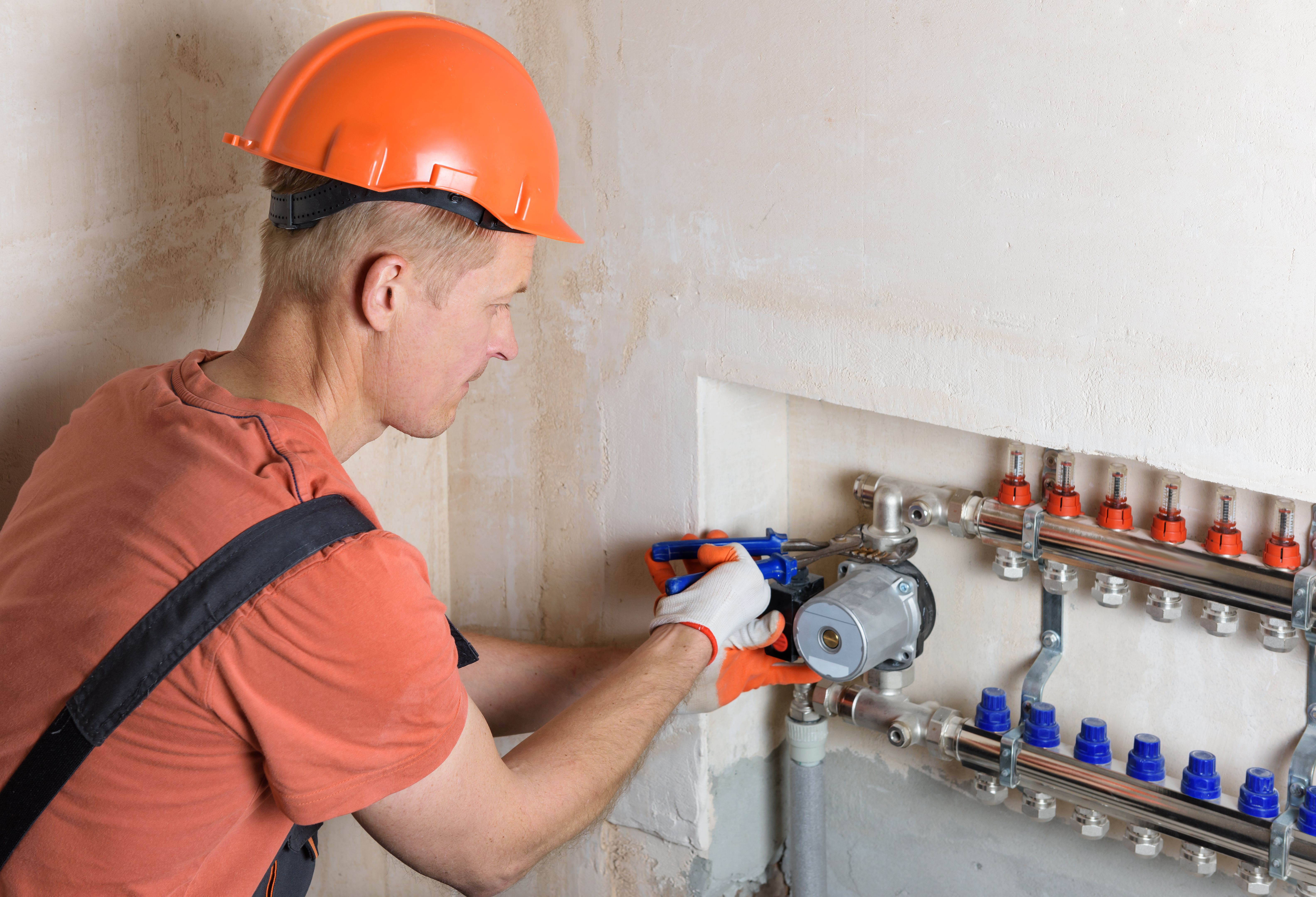
Some people worry that geothermal systems require complex maintenance. In truth, these systems often require less maintenance than traditional HVAC systems. With fewer moving parts and protection from the elements, geothermal systems are designed for durability and reliability.
Conclusion
Geothermal cooling represents an efficient, eco-friendly solution for modern climate control. By debunking these myths, we hope to encourage more people to consider the benefits of this innovative technology. Understanding the facts can help make informed decisions about adopting geothermal systems for your home or business.