Maximizing Efficiency: Integrating Smart Factory Automation Systems with Geothermal Technology


Introduction to Smart Factory Automation
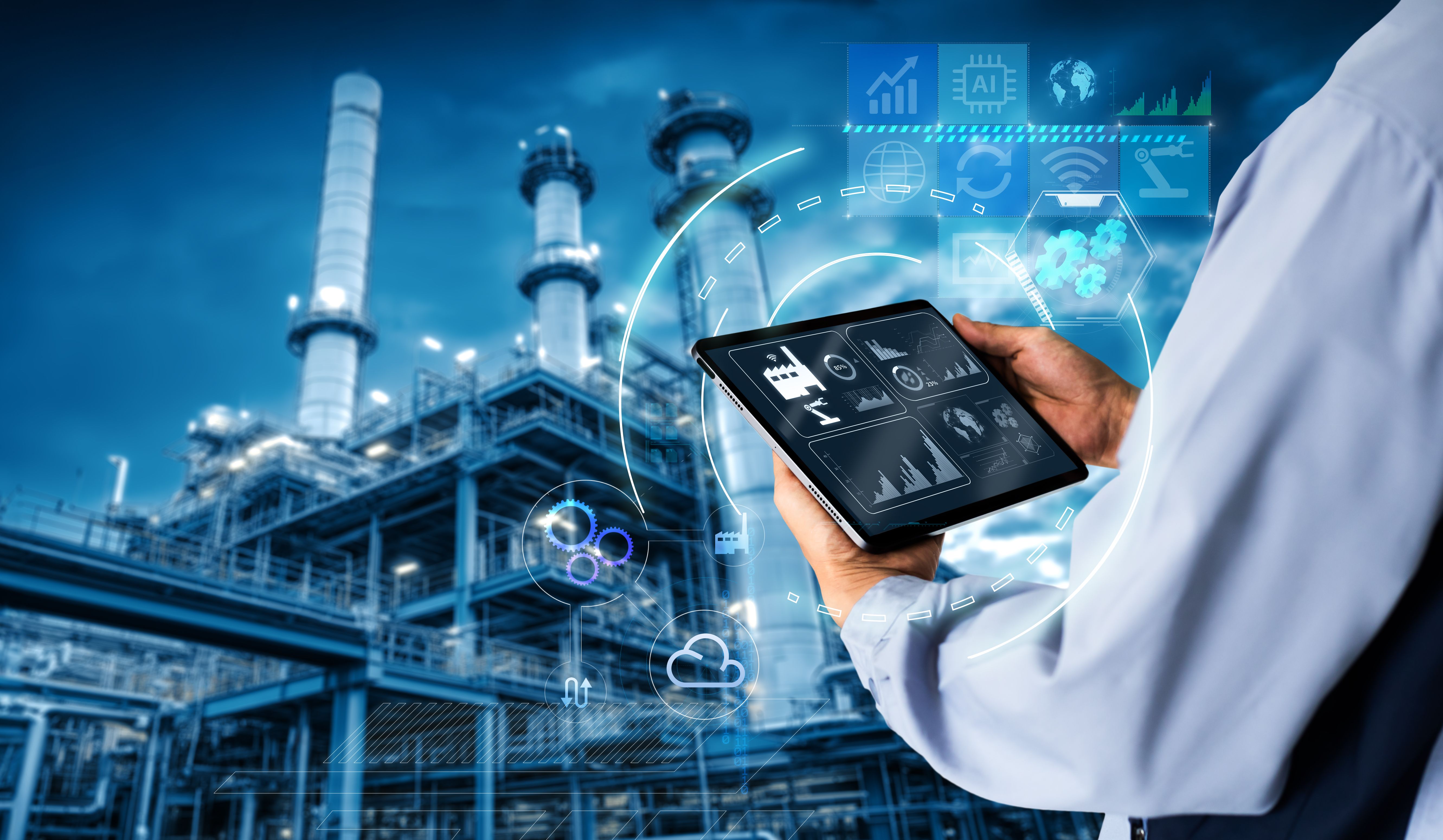
In today's rapidly evolving industrial landscape, the integration of smart factory automation systems has become a cornerstone of modern manufacturing. These systems leverage advanced technologies like the Internet of Things (IoT), artificial intelligence, and machine learning to enhance productivity, reduce waste, and streamline operations.
One innovative approach to further boost efficiency is integrating these systems with geothermal technology. This combination not only optimizes energy consumption but also reduces environmental impact.
Understanding Geothermal Technology
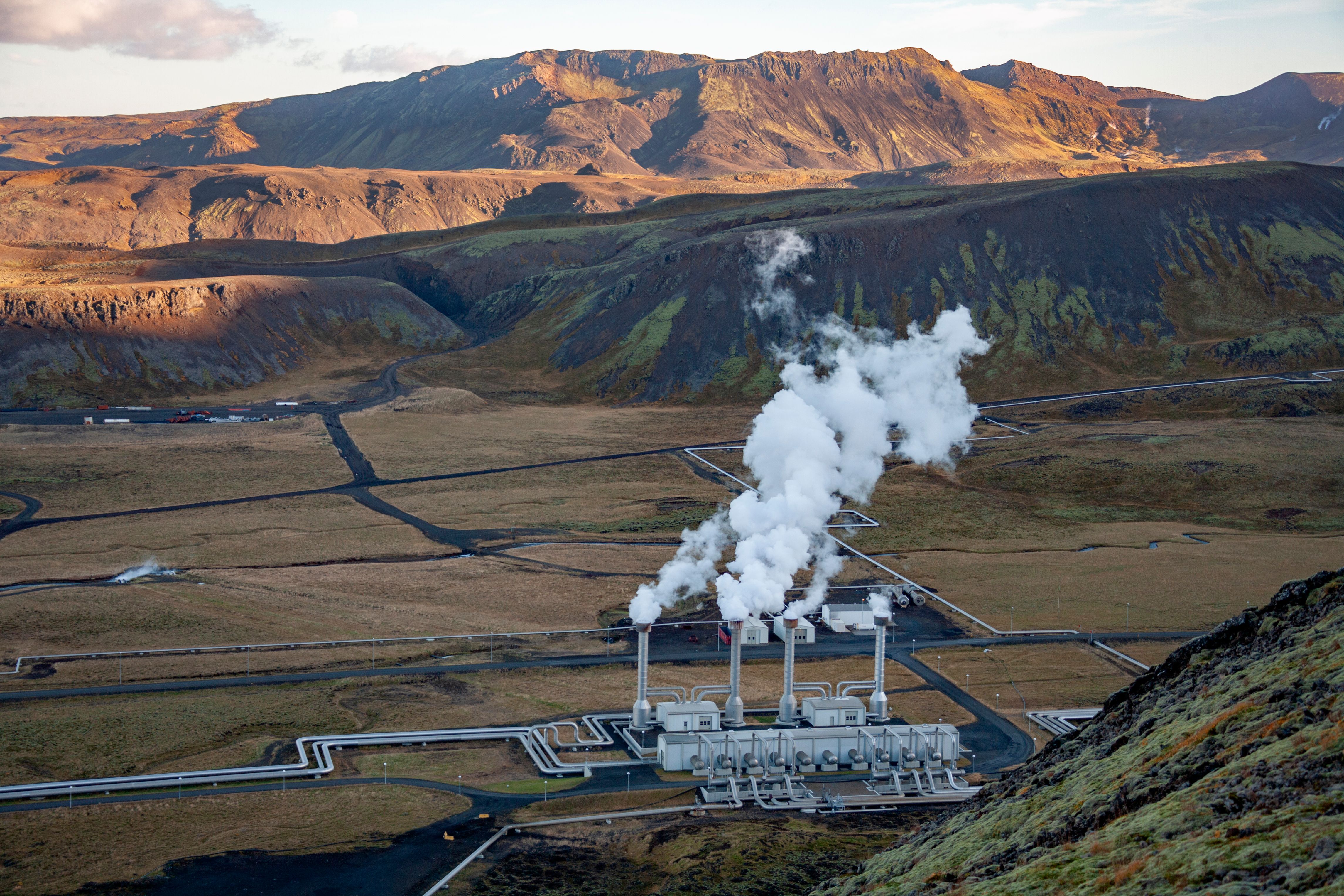
Geothermal technology harnesses the Earth's natural heat to provide sustainable energy solutions. By tapping into this renewable resource, factories can significantly cut down on energy costs and contribute to a cleaner environment.
Implementing geothermal systems involves using heat pumps to transfer heat between the ground and the facility, providing heating in the winter and cooling in the summer. This dual functionality makes it an attractive option for smart factories looking to enhance their energy efficiency.
Benefits of Integration
Integrating smart factory automation with geothermal technology offers several advantages:
- Energy Efficiency: Geothermal systems provide a consistent and reliable energy source, reducing dependency on fossil fuels.
- Cost Savings: Lower energy consumption leads to significant cost reductions over time.
- Environmental Impact: Using renewable energy sources minimizes carbon footprint and promotes sustainability.
These benefits make the integration a strategic choice for manufacturers aiming to stay competitive and eco-friendly.

Steps to Implement Integration
To successfully integrate smart factory automation with geothermal technology, consider the following steps:
- Assess Energy Needs: Evaluate your facility's energy requirements to determine the potential impact of geothermal integration.
- Design the System: Work with experts to design a geothermal system that complements your factory's automation infrastructure.
- Install and Test: Implement the geothermal and automation systems, followed by rigorous testing to ensure compatibility and efficiency.
- Monitor and Optimize: Continuously monitor the integrated system to identify areas for improvement and ensure optimal performance.
Challenges and Considerations
While the integration of smart factory automation with geothermal technology offers numerous benefits, it also presents challenges. Initial installation costs can be high, and the complexity of integrating diverse technologies requires skilled expertise.
Moreover, geographic location can impact the effectiveness of geothermal systems. Factories in regions with less geothermal activity may face limitations in harnessing sufficient energy.

Case Studies and Success Stories
Several manufacturers have successfully integrated these technologies, showcasing impressive results. For instance, a leading automotive parts manufacturer reported a 30% reduction in energy costs after implementing a geothermal-smart factory system.
These success stories serve as valuable examples for other industries considering similar integrations, highlighting the potential for increased efficiency and sustainability.
Future Outlook
As technology continues to advance, the integration of smart factory automation with geothermal systems is poised to become more prevalent. Innovations in both fields will likely lead to even greater energy savings and environmental benefits.
Manufacturers that embrace this integration today will be well-positioned to lead the industry in sustainability and efficiency, setting new standards for the future of manufacturing.