How Seasonal Changes Affect Geothermal Cooling Efficiency in Texas


Understanding Geothermal Cooling
Geothermal cooling is a sustainable and energy-efficient method that utilizes the Earth's stable underground temperature to regulate indoor climates. This system is especially beneficial in regions like Texas, where temperatures can soar during the summer months. However, the efficiency of geothermal cooling can be influenced by seasonal changes.
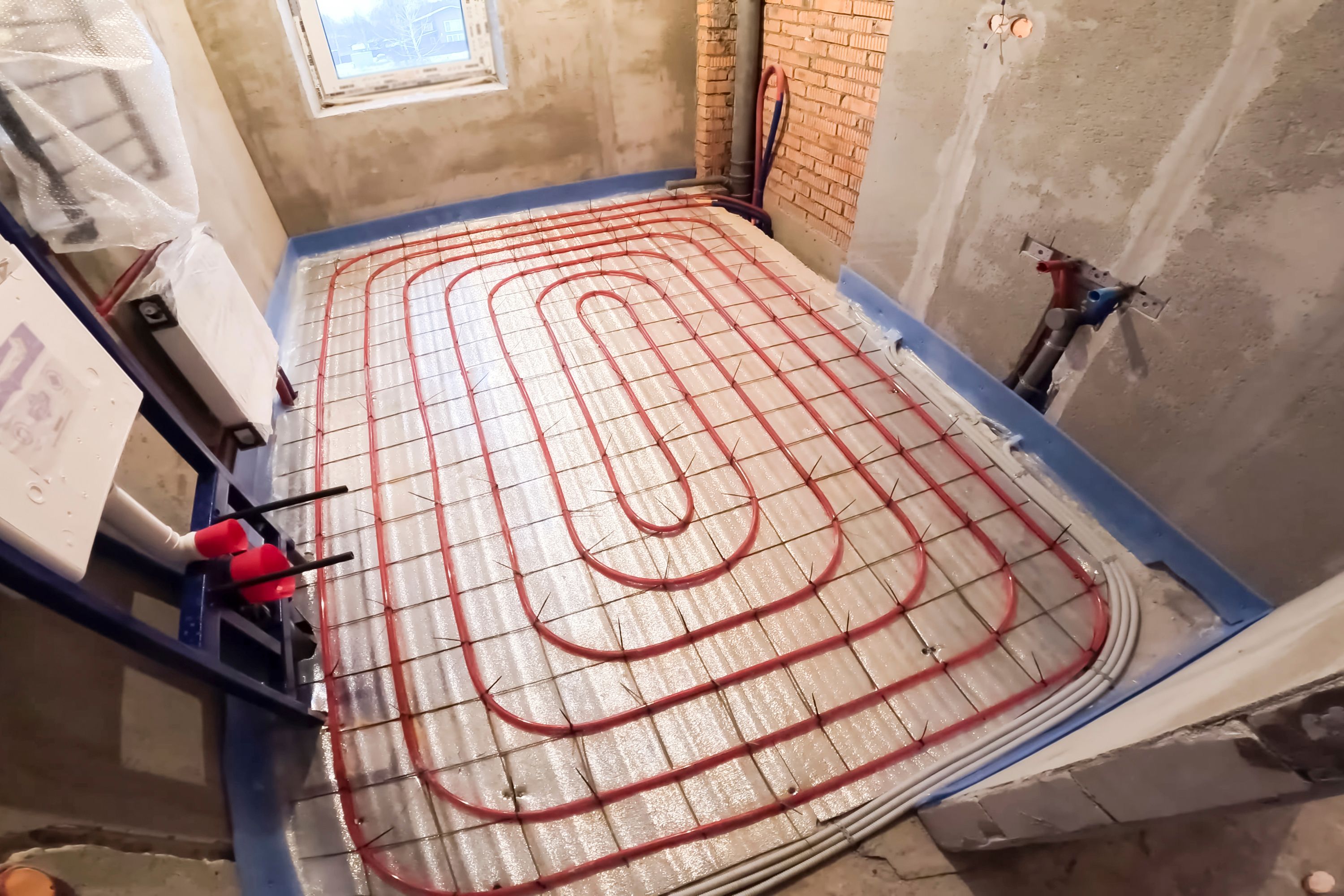
The Role of Seasonal Changes
Seasonal variations in Texas have a direct impact on geothermal cooling systems. While the underground temperature remains relatively constant, above-ground temperatures fluctuate significantly, affecting the system's workload. During summer, the system works harder to dissipate heat, whereas in winter, it requires less energy to maintain a comfortable indoor environment.
Summer Challenges
In Texas, summer temperatures can reach extreme highs. This increases the demand for cooling, pushing geothermal systems to operate at maximum capacity. The efficiency during this time depends on the system's ability to transfer heat from the building to the cooler ground below.
Winter Efficiency
During the cooler months, geothermal systems in Texas perform more efficiently. The moderate temperatures reduce the workload on the system, as less energy is required to maintain a comfortable indoor climate. This seasonal advantage highlights the cost-effectiveness of geothermal cooling in the long run.

Factors Influencing Efficiency
Several factors can affect the efficiency of geothermal cooling systems throughout the year:
- Ground Composition: The thermal conductivity of the soil affects heat transfer rates.
- System Maintenance: Regular maintenance ensures optimal performance and longevity.
- System Design: Properly designed systems are more resilient to seasonal changes.
Optimizing Geothermal Systems
To maximize efficiency, it's crucial to tailor geothermal systems to specific site conditions and seasonal variations. This might involve adjusting the depth of the ground loops or enhancing system components to handle peak loads during summer.

Benefits of Adaptation
Adapting geothermal cooling systems to accommodate seasonal changes not only improves efficiency but also extends the system's lifespan. By understanding the unique climate challenges in Texas, homeowners and businesses can optimize their systems for year-round comfort and savings.
Conclusion
Geothermal cooling offers a sustainable solution to Texas's climate extremes. While seasonal changes do impact efficiency, with proper system design and maintenance, these systems can provide consistent and cost-effective climate control. Investing in geothermal technology is a smart move for those looking to reduce energy consumption and embrace eco-friendly solutions.