How Robotics Enhance Safety in Geothermal Installations


The Role of Robotics in Geothermal Safety
In recent years, the integration of robotics in geothermal installations has significantly enhanced safety measures. The geothermal industry, known for its challenging environments, benefits immensely from technological advancements that mitigate risks and protect human workers. By deploying robots in various operations, companies can ensure more consistent safety protocols and reduce the likelihood of accidents.
Geothermal sites often involve high temperatures, toxic gases, and unstable grounds, making them hazardous for human workers. Robots can handle these conditions far better, performing tasks that would be perilous for humans. This not only improves worker safety but also enhances operational efficiency and reliability.
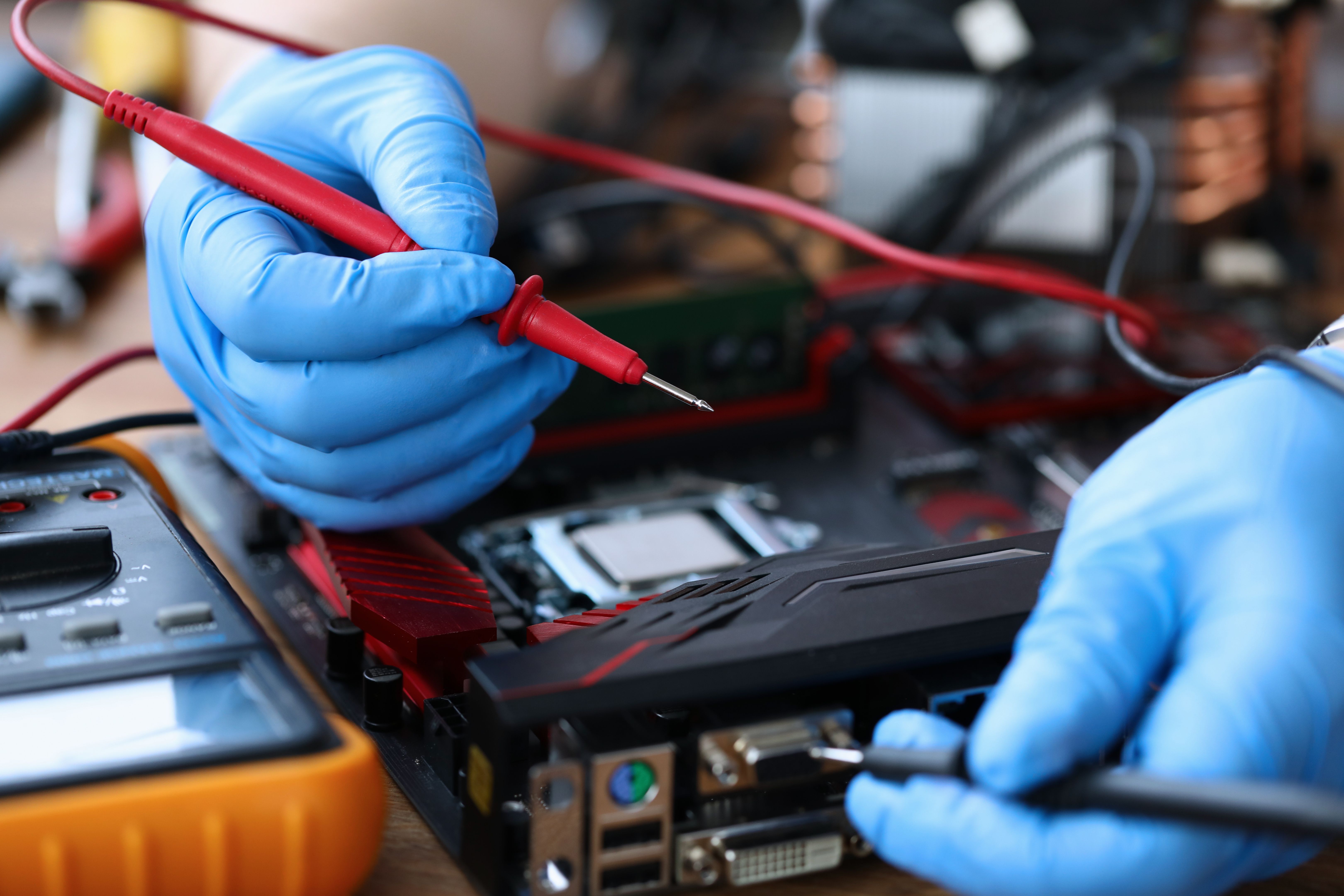
Automating Hazardous Tasks
Robots are particularly effective in automating tasks that are considered dangerous or monotonous. For example, they can be used to inspect and maintain equipment in high-temperature zones, reducing the need for human exposure. This is crucial in areas where heat and toxic gases pose significant risks.
Moreover, robots equipped with sensors can detect gas leaks or structural weaknesses, providing early warnings that prevent potential disasters. Their ability to operate in extreme conditions without fatigue makes them invaluable in maintaining the integrity of geothermal installations.
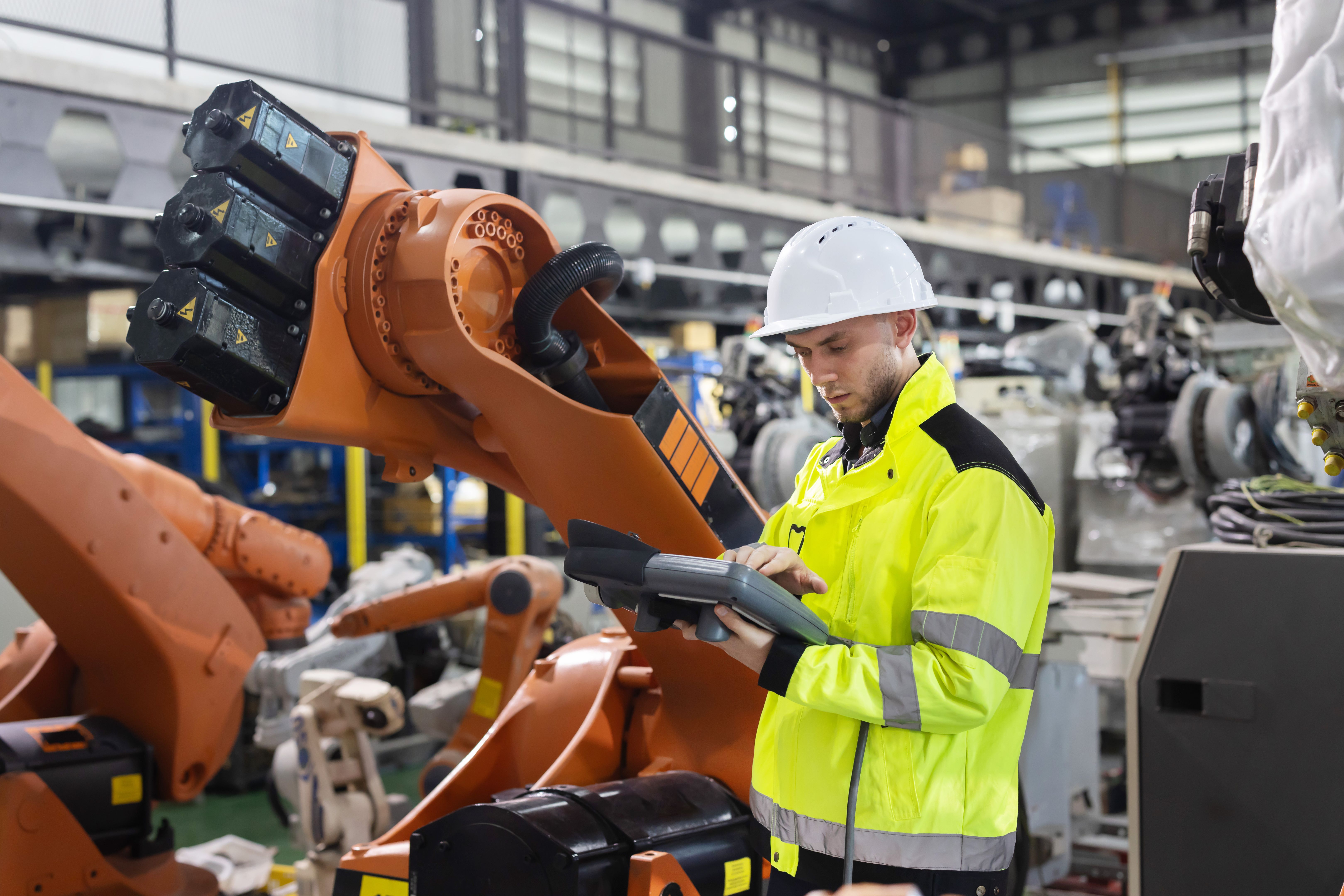
Enhanced Monitoring and Data Collection
Another significant advantage of using robotics in geothermal installations is enhanced monitoring and data collection. Robots can be equipped with high-precision sensors and cameras, allowing for real-time data collection and analysis. This data is crucial for predicting equipment failures and optimizing maintenance schedules.
With continuous monitoring, companies can ensure that their geothermal plants operate at peak efficiency. This proactive approach helps in identifying potential issues before they escalate, thereby reducing downtime and saving costs in the long run.

Reducing Environmental Impact
Robotics also play a pivotal role in minimizing the environmental impact of geothermal installations. By ensuring precise operations and reducing the need for human intervention, robots help prevent environmental disturbances. This is particularly important in sensitive ecological areas where geothermal plants are often located.
Additionally, with better monitoring and data analysis, companies can optimize resource usage, ensuring more sustainable operations. This balance between technological advancement and environmental conservation is essential for the future of geothermal energy.
Training and Skill Development
As robotics become increasingly integrated into geothermal operations, there's a growing need for skilled personnel to manage and maintain these technologies. This has led to the development of specialized training programs, empowering workers with new skills and creating job opportunities in the tech-driven energy sector.
Employees trained in robotics and automation are better equipped to handle the complexities of modern geothermal installations. This not only enhances safety but also drives innovation and growth within the industry.

The Future of Robotics in Geothermal Energy
The future of robotics in geothermal installations looks promising, with continuous advancements in technology paving the way for even safer and more efficient operations. As artificial intelligence and machine learning continue to evolve, robots will become smarter and more autonomous, further enhancing their role in the industry.
Investment in research and development is crucial to unlocking the full potential of robotics in geothermal energy. By embracing these innovations, the industry can achieve unprecedented levels of safety, efficiency, and sustainability, securing its place as a vital component of the global energy landscape.