How Closed-Loop Geothermal Systems Work: A Guide for Data Centers


Introduction to Closed-Loop Geothermal Systems
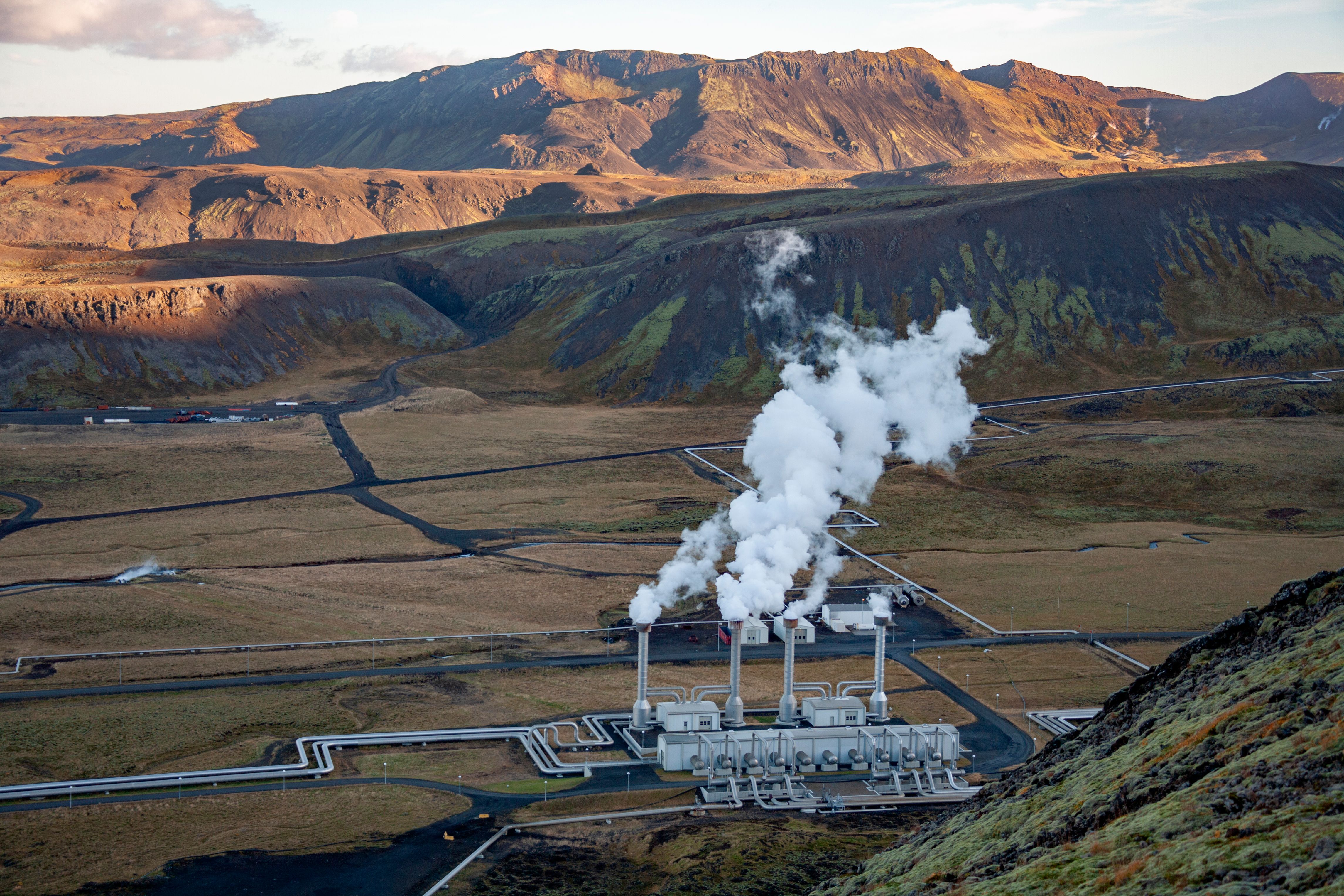
Closed-loop geothermal systems are gaining popularity as a sustainable and efficient solution for cooling data centers. These systems utilize the Earth's stable underground temperature to manage heat generated by servers and other equipment. By doing so, they offer a reliable and environmentally friendly alternative to traditional cooling methods.
Understanding Closed-Loop Systems
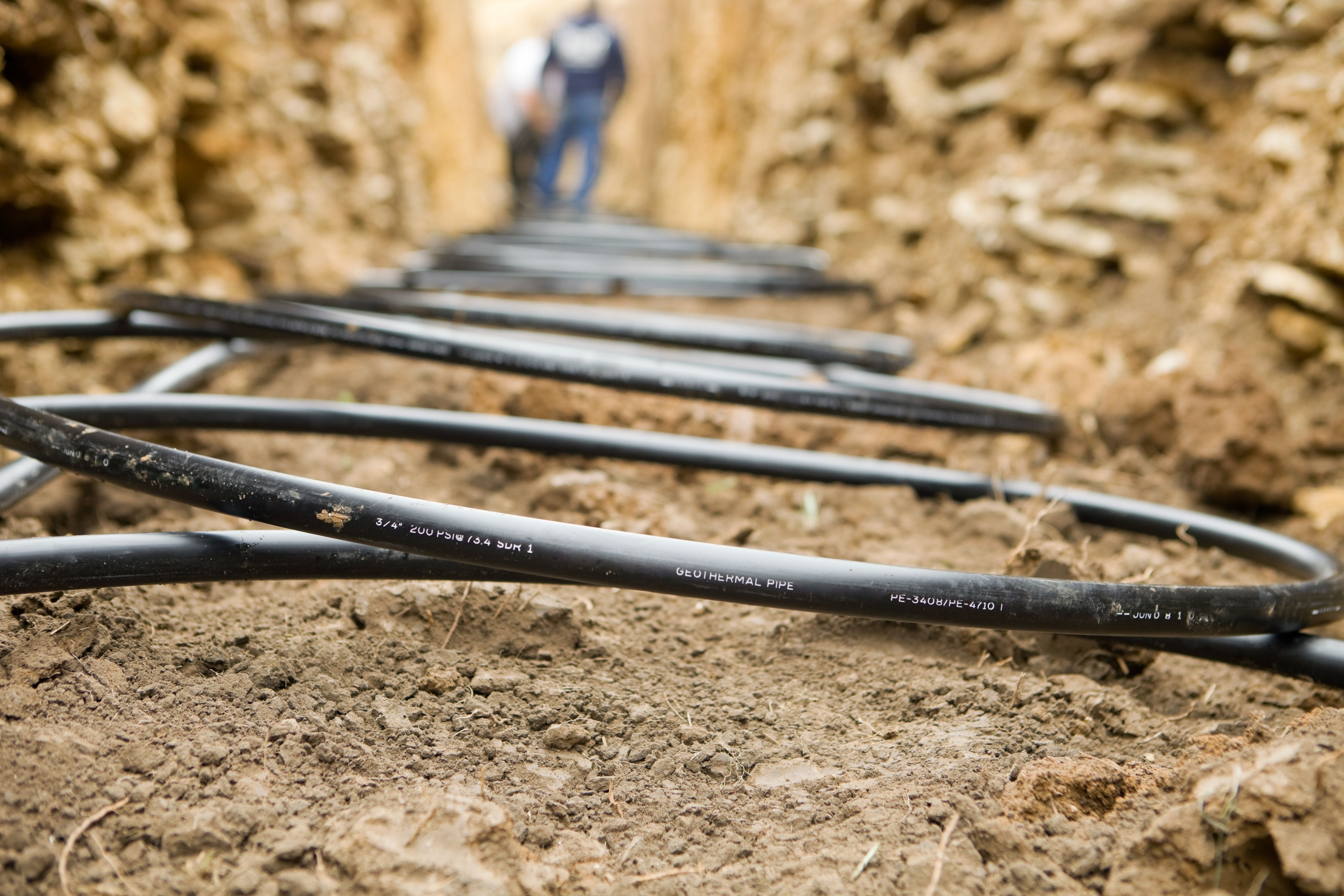
Closed-loop geothermal systems operate by circulating a heat transfer fluid through a series of underground pipes. These pipes are typically made of high-density polyethylene and are either buried horizontally or installed vertically in boreholes. The fluid absorbs heat from the data center and releases it into the ground.
This system is "closed" because the fluid is contained within the pipes, never coming into contact with the surrounding soil or water. This design minimizes environmental impact and ensures long-lasting performance.
Key Components of the System
There are several critical components in a closed-loop geothermal system:
- Heat Pump: Transfers heat between the data center and the underground loop.
- Circulation Pump: Moves the heat transfer fluid through the system.
- Ground Loop: The network of pipes buried underground.

Benefits for Data Centers
Implementing a closed-loop geothermal system in a data center offers numerous benefits. First and foremost, these systems are highly energy-efficient, reducing operational costs significantly. They also provide a stable and reliable source of cooling, which is crucial for maintaining optimal server performance.
Additionally, closed-loop systems have a minimal carbon footprint, aligning with the growing emphasis on sustainability in the tech industry. By reducing reliance on fossil fuels, data centers can significantly lower their environmental impact.
Installation Considerations
When installing a closed-loop geothermal system, several factors need to be considered. The size of the data center and its cooling requirements will determine the scale of the system. Proper site assessment and geological surveys are essential to ensure suitable soil conditions for effective heat exchange.
Moreover, while the installation might require a higher initial investment compared to conventional systems, the long-term savings in energy costs and maintenance make it a worthwhile endeavor.
Challenges and Solutions
Despite their advantages, closed-loop geothermal systems are not without challenges. The primary obstacle is the initial cost and space required for installation. However, many data centers are finding innovative solutions, such as utilizing existing land or partnering with developers to share resources.
Additionally, advancements in technology and increased demand for sustainable solutions are driving down costs, making geothermal systems more accessible to data centers of all sizes.
Conclusion
Closed-loop geothermal systems represent a promising solution for data centers seeking efficient and sustainable cooling options. By leveraging the Earth's natural thermal properties, these systems offer a reliable and eco-friendly alternative to traditional methods. As technology advances, they are likely to become an integral part of the data center industry's shift towards sustainability.