Debunking Myths About Geothermal Cooling in Data Centers


Understanding Geothermal Cooling
Geothermal cooling is gaining traction as an innovative and sustainable solution for data centers. However, misconceptions about its feasibility and efficiency persist. In this post, we'll debunk some common myths surrounding geothermal cooling and explore its potential benefits.
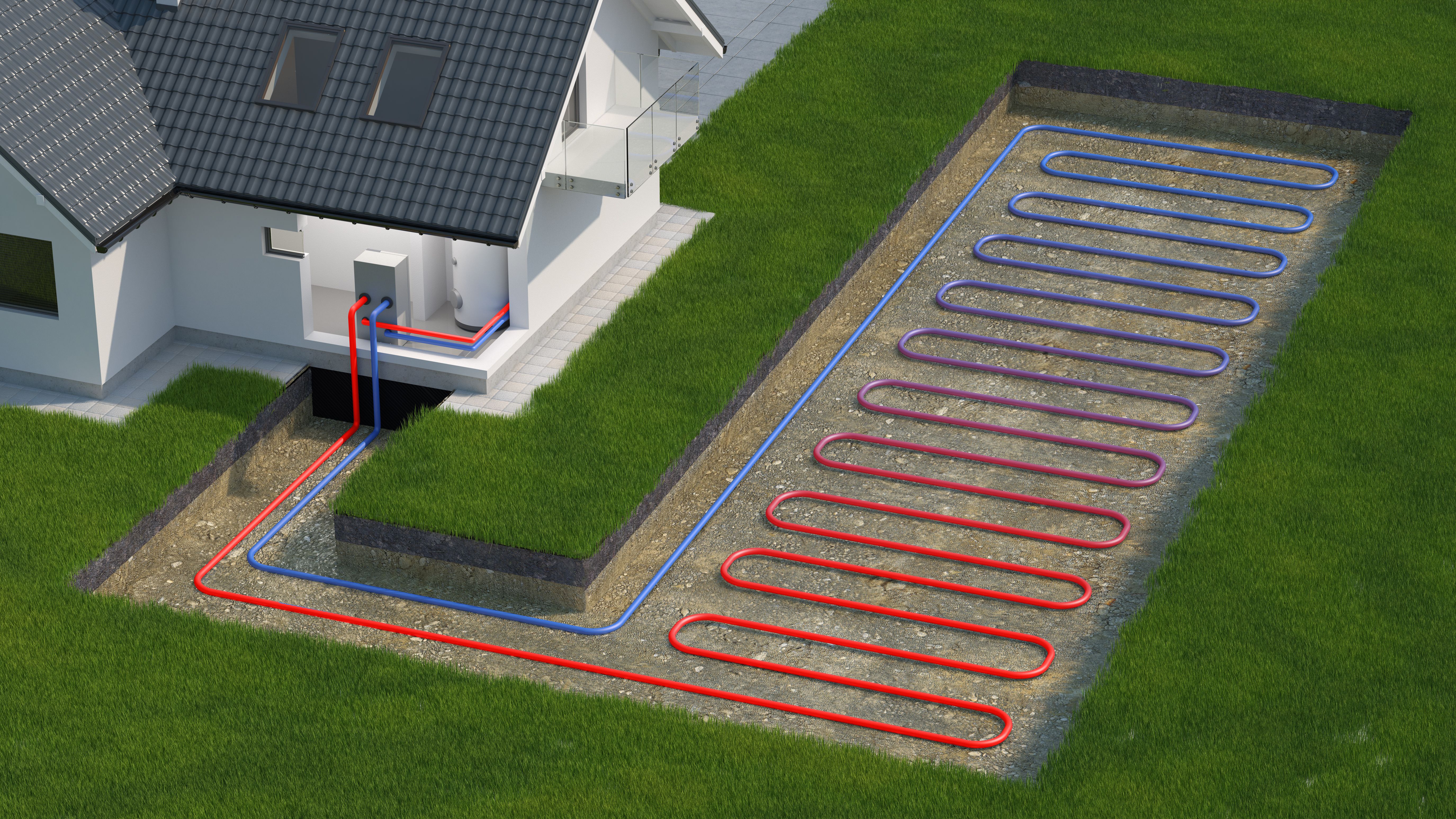
Myth 1: Geothermal Cooling is Too Expensive
One prevalent myth is that geothermal cooling requires prohibitive upfront costs. While the initial investment can be higher than traditional systems, the long-term savings on energy costs can be substantial. Geothermal systems tap into the earth's stable temperature, reducing reliance on conventional energy sources and leading to significant cost reductions over time.
Moreover, government incentives and tax credits are often available to offset installation costs, making geothermal solutions more accessible to businesses.
Myth 2: Geothermal Systems Are Complex to Install
Another myth is that geothermal systems are too complex to install in existing data centers. In reality, geothermal systems can be adapted to various environments. While some sites may require more planning, modern installation techniques have streamlined the process, making it more feasible than ever before.

Myth 3: Geothermal Cooling Isn't Effective in All Climates
Some believe geothermal cooling is only effective in specific climates. In truth, geothermal systems work by harnessing the earth's consistent underground temperature, which remains stable across different regions. This makes them a viable solution in a wide range of climates, from temperate to extreme weather conditions.
Data centers, which require constant cooling, can greatly benefit from the consistent performance provided by geothermal systems, ensuring reliable operation year-round.

The Advantages of Geothermal Cooling
Beyond debunking myths, it's important to highlight the advantages of geothermal cooling. These systems provide an eco-friendly solution that reduces carbon footprints and supports sustainability goals. By utilizing renewable energy from the earth, data centers can make a significant impact in reducing their environmental impact.
- Reduced energy consumption
- Lower operational costs
- Increased reliability and consistency
Conclusion: The Future of Data Center Cooling
As the demand for data centers continues to grow, sustainable solutions like geothermal cooling are becoming increasingly important. By addressing and debunking these myths, businesses can make informed decisions about implementing geothermal technology.
Ultimately, embracing geothermal cooling can lead to more efficient operations, cost savings, and a positive environmental impact, paving the way for a sustainable future in data management.