Comparing Geothermal Cooling to Traditional Methods for Data Centers


Understanding Geothermal Cooling
Data centers require efficient cooling systems to maintain optimal performance and prevent overheating. Traditionally, air conditioning and liquid cooling have been used. However, geothermal cooling is emerging as a sustainable alternative. This method leverages the earth's consistent underground temperature to regulate data center climates.
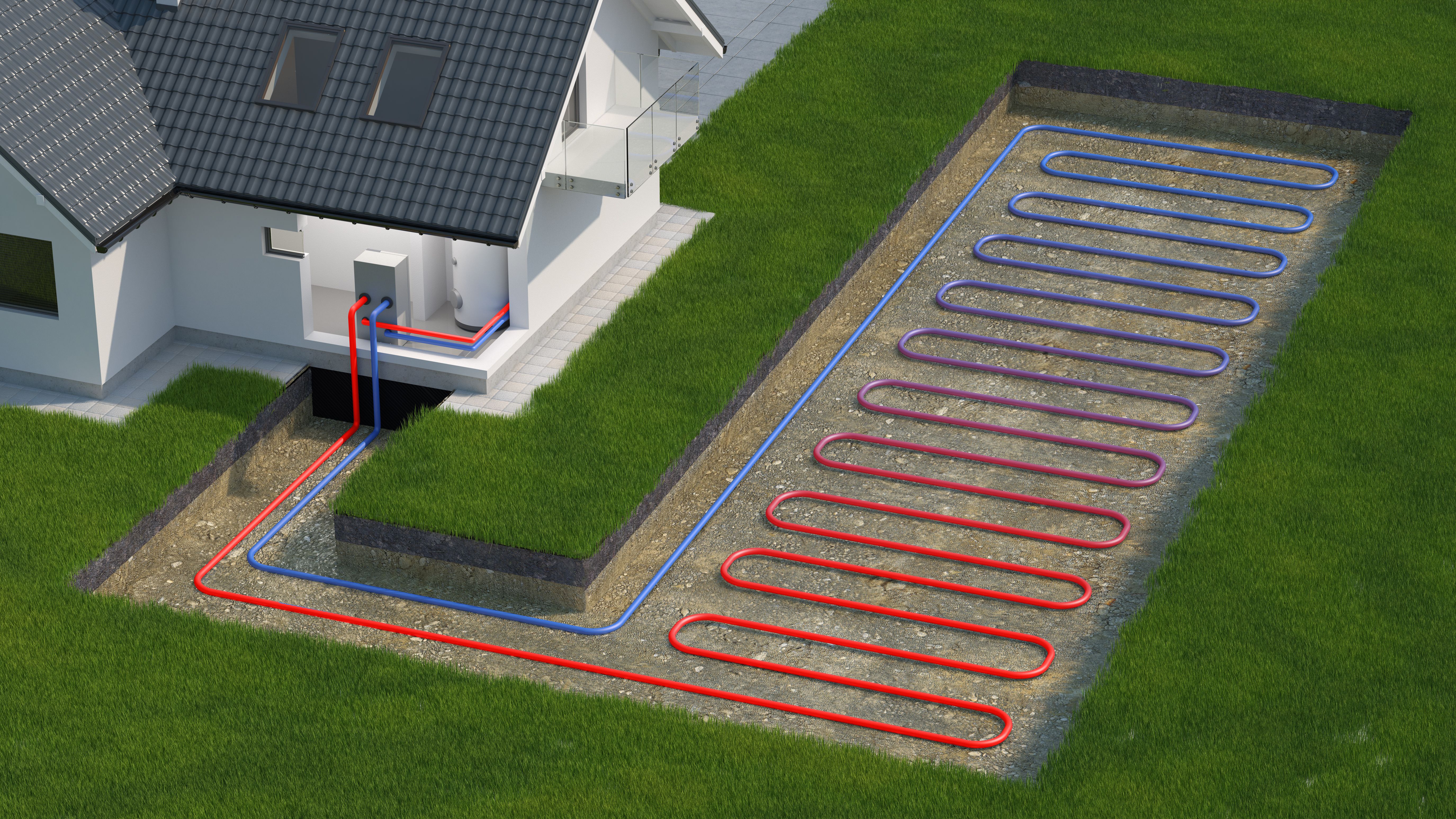
The principle behind geothermal cooling involves circulating a fluid through pipes buried underground. This fluid absorbs the earth’s natural cool temperatures and transfers it to the data center. This process reduces the reliance on electrical cooling systems, making it an eco-friendly option.
Benefits of Geothermal Cooling
One of the most significant advantages of geothermal cooling is its energy efficiency. By utilizing the earth's natural temperature, data centers can significantly reduce their energy consumption, leading to lower operational costs. Additionally, geothermal systems have a longer lifespan compared to traditional cooling methods, offering a sustainable solution.
Another benefit is the reduction of carbon emissions. Traditional cooling systems rely heavily on electricity, often produced from fossil fuels. By minimizing this dependency, geothermal cooling contributes to a greener environment.
Comparing with Traditional Cooling Methods
Traditional cooling methods, such as air conditioning, require significant amounts of energy to maintain the necessary temperature in data centers. While liquid cooling is more efficient than air cooling, it still involves high operational costs and complex infrastructure.
In contrast, geothermal cooling offers a more cost-effective and environmentally friendly solution. The initial installation costs may be higher, but the long-term savings on energy and maintenance make it a worthwhile investment.
Implementation Challenges
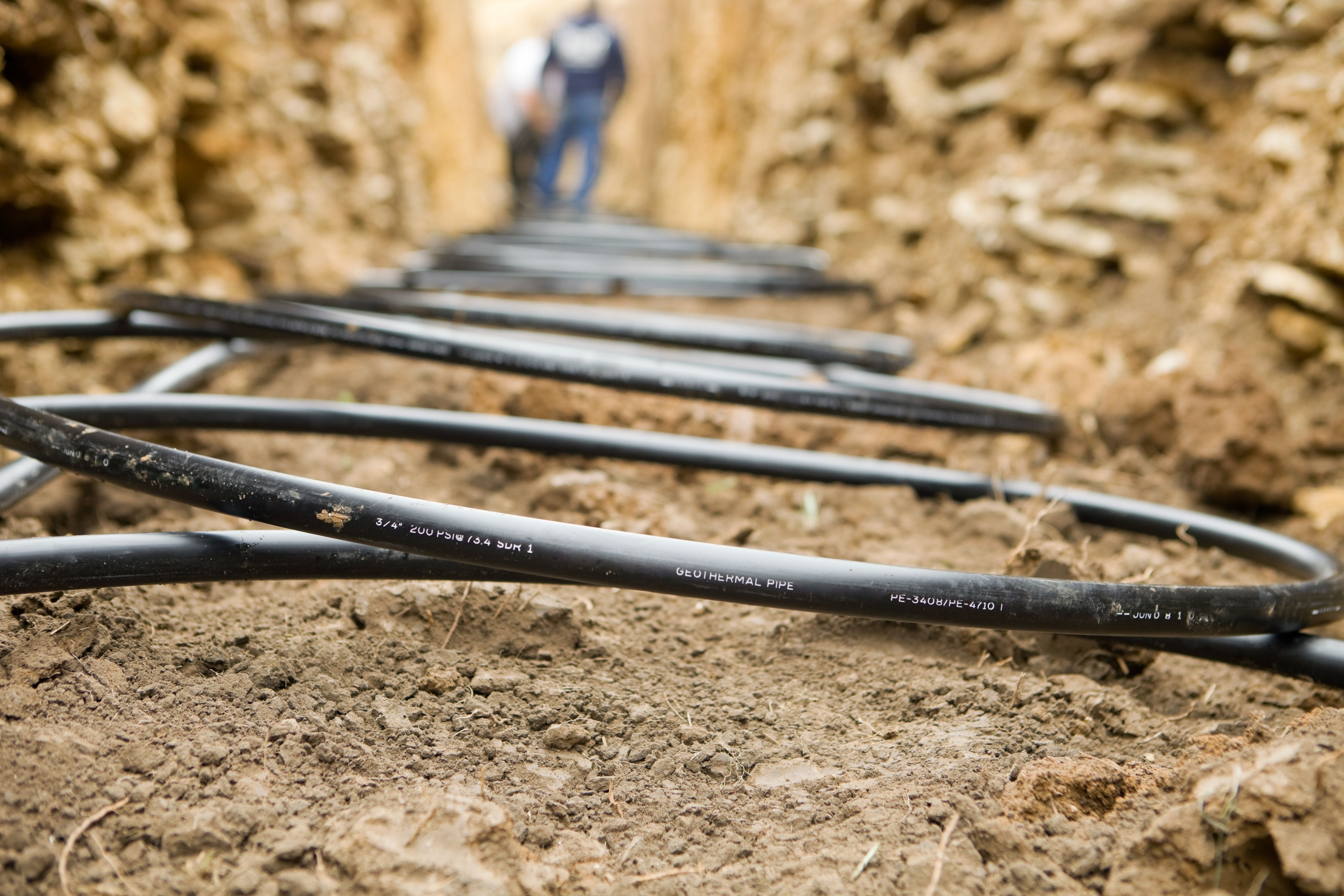
Despite its benefits, geothermal cooling is not without challenges. The initial setup requires significant capital investment and careful planning to install the underground piping system. Additionally, not all geographical locations are suitable for geothermal systems, which can limit its applicability.
Moreover, there can be regulatory hurdles and the need for specialized expertise during installation. Companies must evaluate these factors against the potential benefits before deciding on geothermal cooling.
Looking to the Future
As technology advances and the focus on sustainability grows, geothermal cooling may become more prevalent in data center design. Innovations in this field could potentially reduce installation costs and expand its applicability to various locations.
Ultimately, the choice between geothermal and traditional cooling methods depends on a company’s specific needs, budget, and environmental goals. By carefully considering these factors, businesses can make informed decisions to ensure both efficiency and sustainability in their data centers.