Comparing Cooling Solutions: Geothermal vs. Traditional Methods for Data Centers


Introduction to Cooling Solutions for Data Centers
Data centers are the backbone of modern technology, housing the servers and equipment that power our digital world. To maintain optimal performance and prevent overheating, efficient cooling solutions are essential. This blog post explores the differences between geothermal cooling and traditional methods, highlighting their benefits and challenges.
As data centers continue to grow in size and capacity, finding sustainable and effective cooling solutions becomes increasingly important. Both geothermal and traditional cooling methods offer distinct advantages, but they also come with unique considerations.
Understanding Traditional Cooling Methods
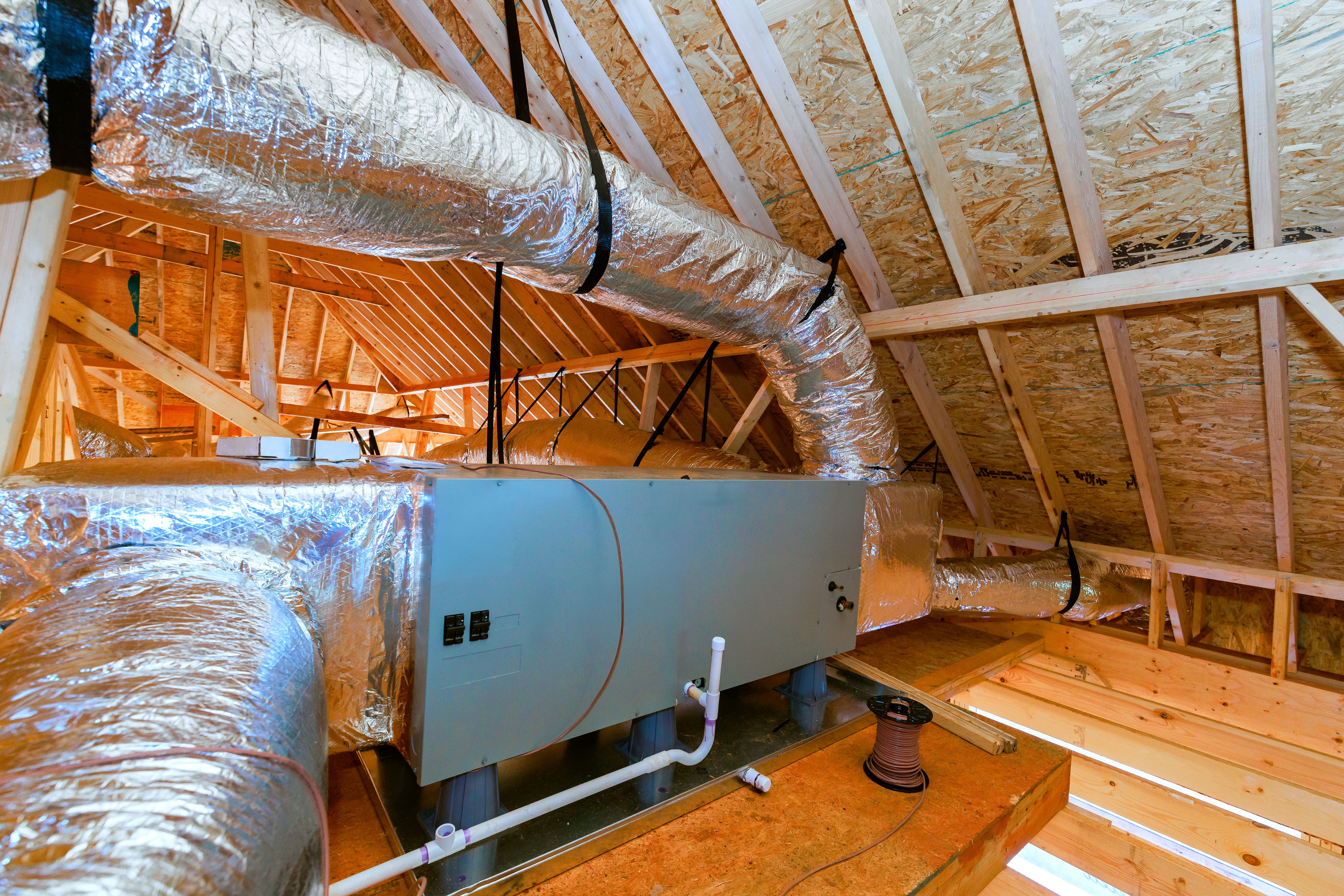
Traditional cooling methods for data centers often involve air conditioning systems that use energy-intensive processes. These systems typically rely on mechanical chillers, air handlers, and fans to maintain a stable temperature. While effective, these methods can be costly and environmentally taxing.
Traditional cooling solutions usually include:
- Computer Room Air Conditioning (CRAC) units
- Computer Room Air Handler (CRAH) systems
- Chilled water systems
Exploring Geothermal Cooling
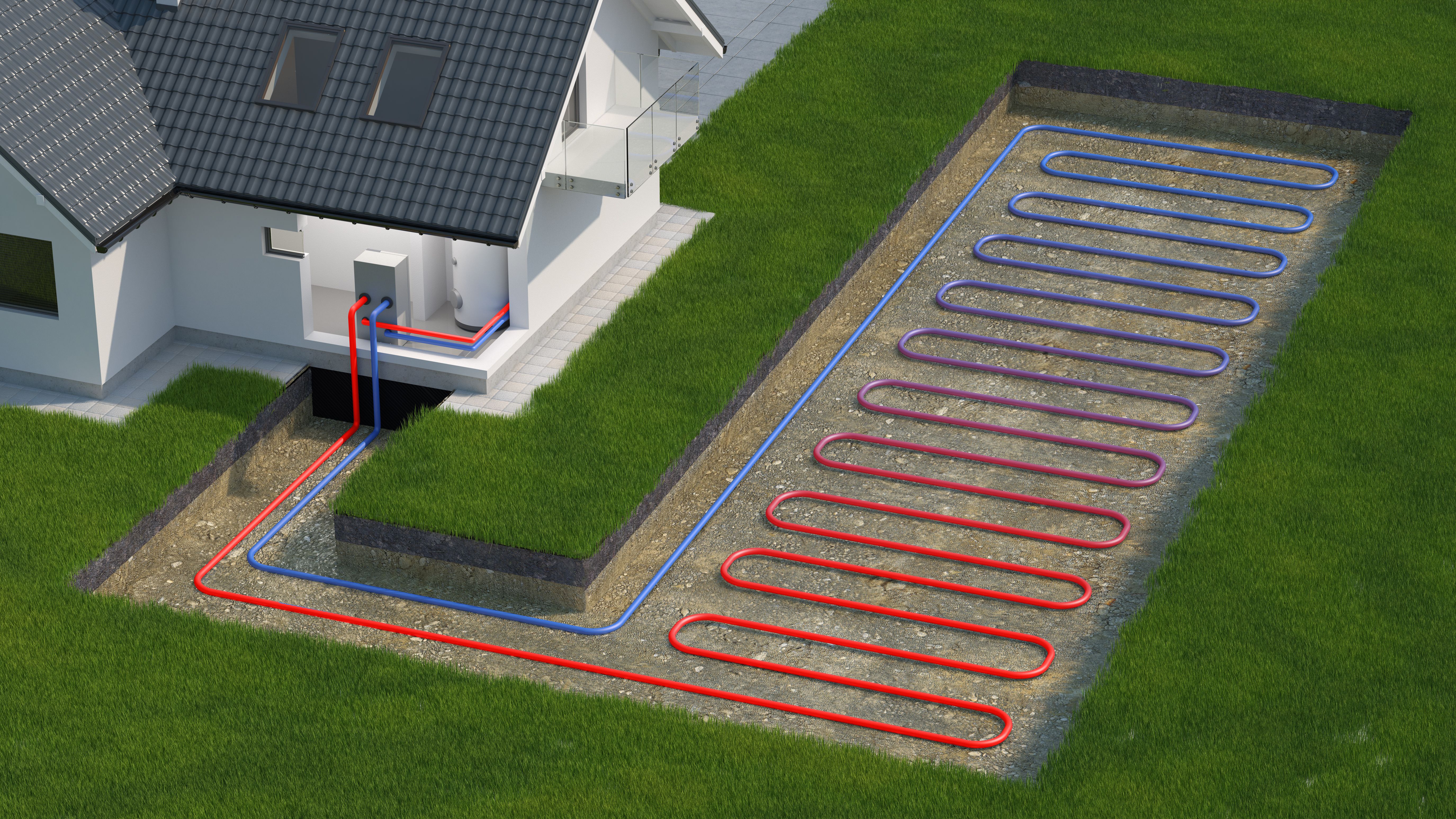
Geothermal cooling leverages the earth's consistent underground temperature to regulate data center conditions. By using a network of pipes buried below the surface, geothermal systems can exchange heat with the ground, providing a natural and energy-efficient cooling method.
This approach offers several advantages:
- Energy Efficiency: Geothermal systems can significantly reduce electricity consumption.
- Environmental Impact: With lower emissions, geothermal cooling is a greener choice.
- Cost Savings: Over time, operational costs may decrease due to reduced energy needs.
Comparing Efficiency and Costs
When it comes to efficiency, geothermal cooling often outperforms traditional methods. The consistent temperature of the earth allows for a more stable and less energy-intensive process. While the initial installation of geothermal systems can be more expensive, the long-term savings on energy bills can offset these costs.
Traditional systems, on the other hand, might have lower upfront costs but can lead to higher operational expenses due to energy consumption. Companies should carefully weigh these factors when deciding on a cooling solution.
Scalability and Implementation Challenges
Scalability is a crucial consideration for both cooling methods. Traditional systems are more straightforward to scale with modular units, whereas geothermal systems require more planning and space. However, once installed, geothermal systems offer consistent performance regardless of scale.
Implementation of geothermal cooling can be challenging due to the need for extensive excavation and site-specific considerations. Data centers in urban areas may face additional hurdles in adopting geothermal solutions.
Conclusion: Choosing the Right Solution
Both geothermal and traditional cooling methods have their place in the world of data centers. The choice depends on various factors, including budget, location, environmental goals, and long-term planning.
For data centers prioritizing sustainability and long-term savings, geothermal cooling presents an attractive option. Meanwhile, those needing quick, scalable solutions may find traditional methods more suitable. Ultimately, the best choice aligns with the specific needs and goals of the data center.