Choosing Between Geothermal and Traditional Cooling: A Comprehensive Guide


Understanding Geothermal Cooling
When considering cooling systems for your home, geothermal cooling is an option worth exploring. This system utilizes the natural temperature of the earth to regulate indoor temperatures. By tapping into the consistent underground temperatures, geothermal systems provide efficient and sustainable cooling solutions.
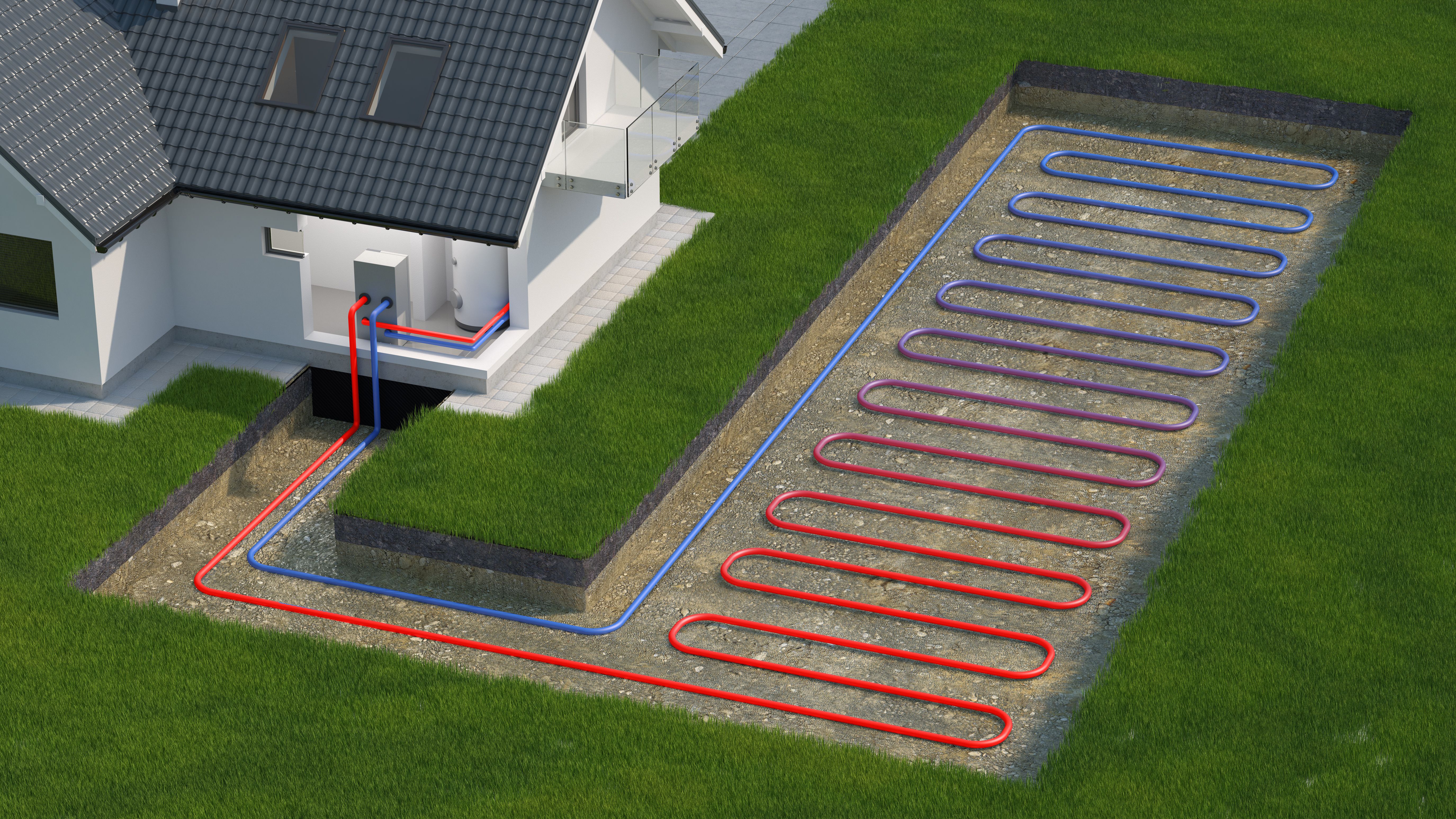
Geothermal systems involve a network of pipes buried underground, which circulates a fluid to absorb heat from your home and disperse it into the earth. This method is not only energy-efficient but also environmentally friendly, offering a significant reduction in greenhouse gas emissions compared to traditional cooling systems.
Examining Traditional Cooling Systems
Traditional cooling systems, such as central air conditioning, have been the standard in many homes for decades. These systems use refrigerants and a compressor to cool air and distribute it throughout the house via ductwork.
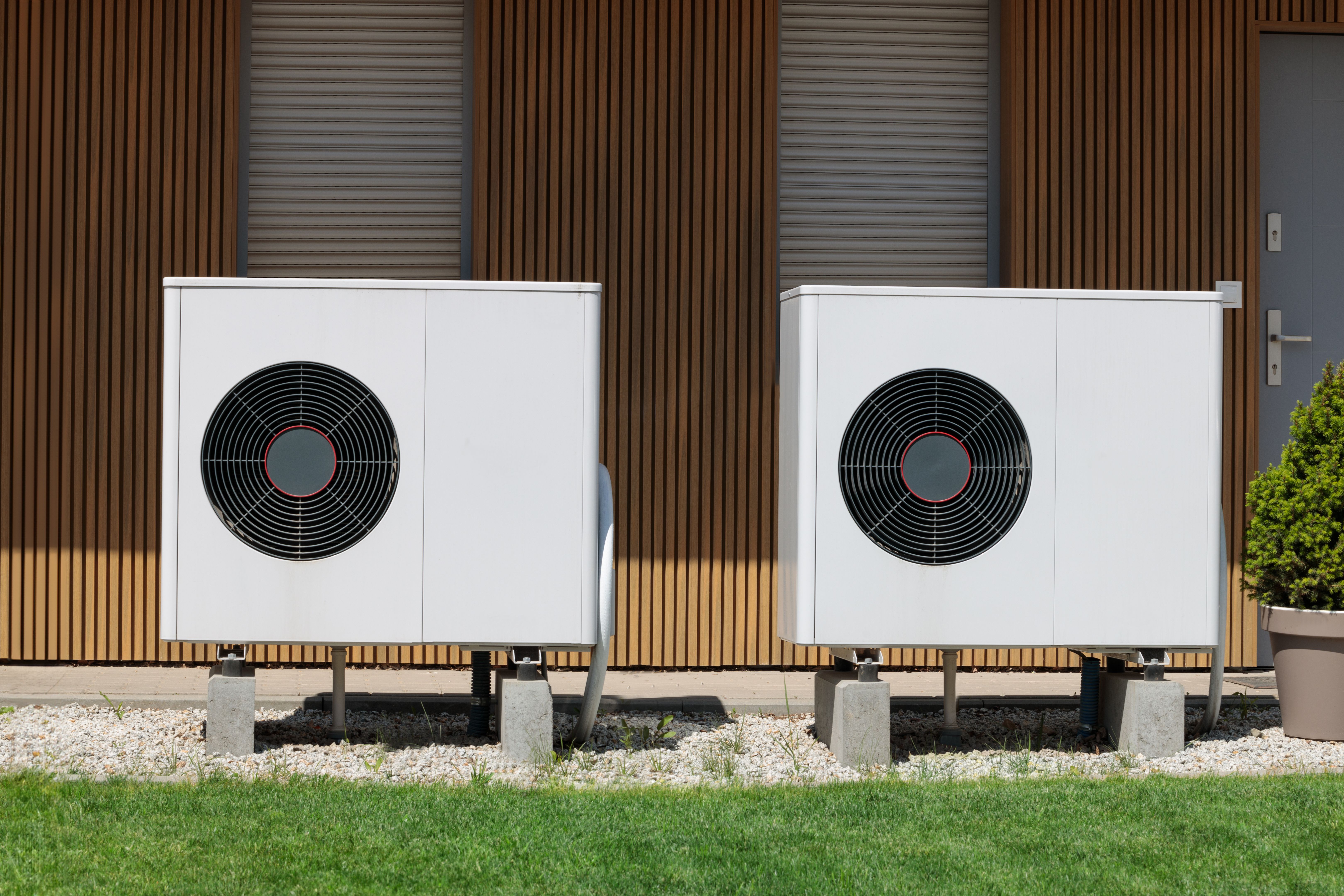
While effective, traditional systems can be less energy-efficient and often contribute to higher utility bills. They rely heavily on electricity, and their efficiency can be affected by factors such as the age of the system and maintenance frequency.
Comparing Costs and Efficiency
One of the most significant differences between geothermal and traditional cooling systems is the cost. Initial installation costs for geothermal systems are generally higher due to the need for underground piping. However, they offer reduced operational costs over time, potentially leading to long-term savings.
- **Geothermal Systems**: Higher initial investment, lower long-term costs.
- **Traditional Systems**: Lower initial cost, potentially higher ongoing expenses.

In terms of efficiency, geothermal systems typically offer higher efficiency ratings compared to traditional systems. This results in less energy consumption and a smaller carbon footprint.
Environmental Impact
When it comes to environmental impact, geothermal cooling has the edge. By harnessing the earth’s natural energy, these systems significantly reduce reliance on fossil fuels and decrease carbon emissions.
Traditional cooling systems, on the other hand, depend more on electricity generated from non-renewable sources, contributing to a larger carbon footprint. Moreover, the refrigerants used in these systems can be harmful to the environment if not properly managed.
Making the Right Choice for Your Home
Choosing between geothermal and traditional cooling systems depends on various factors, including budget, environmental concerns, and home suitability. Geothermal systems may be more suitable for homeowners committed to sustainability and willing to invest upfront for long-term savings.

Conversely, if budget constraints are a significant concern, a traditional system might be more feasible in the short term. However, considering potential efficiency upgrades could help mitigate long-term expenses.
Conclusion
Both geothermal and traditional cooling systems have their advantages and drawbacks. Assessing your priorities and understanding the implications of each option can guide you in making an informed decision. Whether you prioritize environmental impact, cost efficiency, or initial investment, choosing the right system can enhance your home’s comfort and sustainability.