Case Study: Successful Implementation of Robotic Safety Solutions in Plano


Introduction to Robotic Safety Solutions
In recent years, the integration of robotic safety solutions has become a pivotal aspect of industrial innovation. Plano, a city known for its technological advancements, has been at the forefront of this movement. This case study explores the successful implementation of robotic safety solutions in Plano, highlighting the benefits and challenges associated with this technological leap.
The Need for Safety Innovations
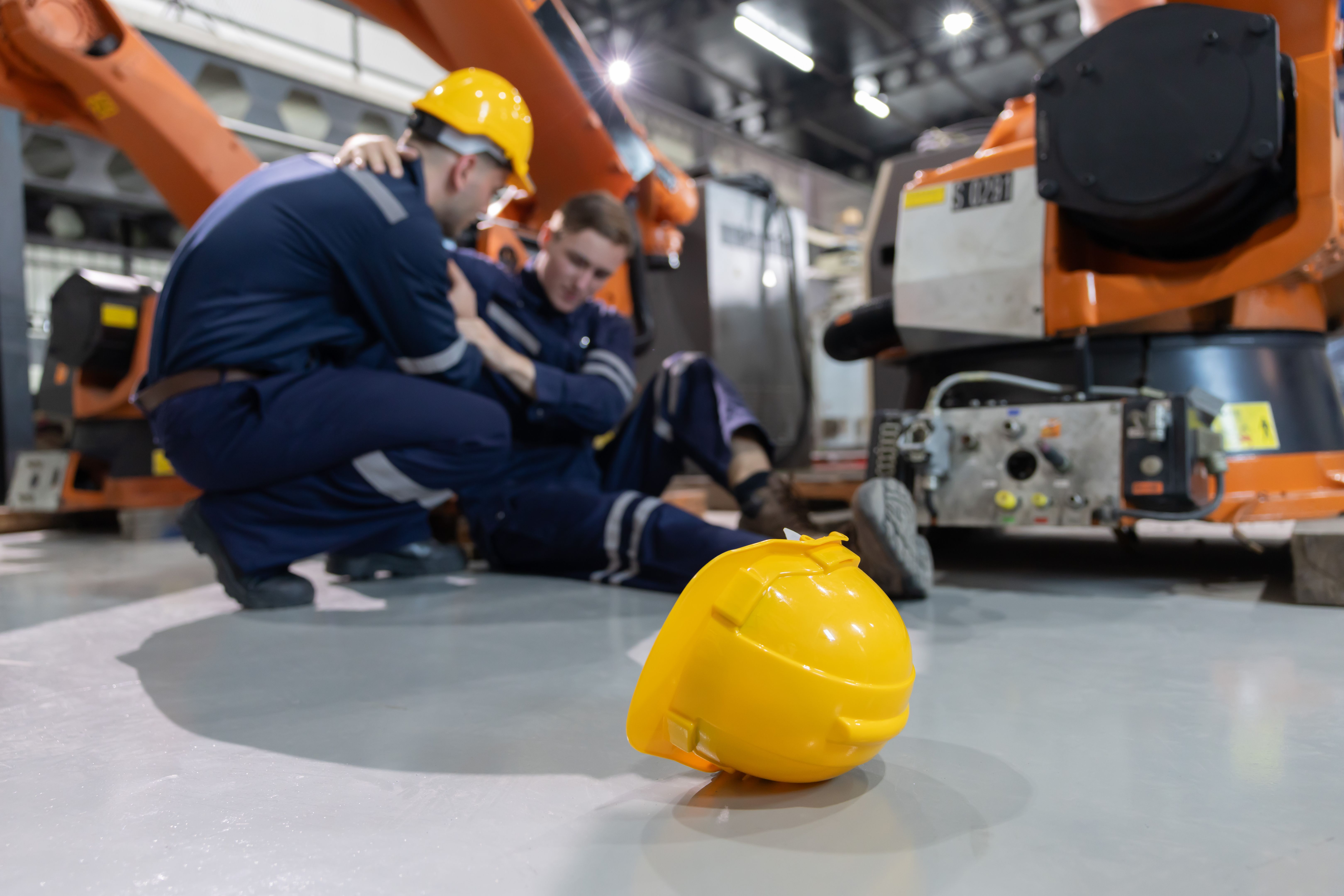
With the rapid growth of industrial activities, ensuring worker safety has become a top priority. Traditional safety measures, while effective, often fall short in dynamic environments. This is where robotic safety solutions come into play, offering real-time monitoring and proactive risk management.
Challenges in Implementation
Implementing robotic safety solutions is not without its challenges. Companies in Plano faced several obstacles, such as:
- High Initial Costs: Investing in advanced robotics requires substantial upfront capital.
- Technical Training: Employees needed comprehensive training to adapt to new systems.
- Integration with Existing Systems: Ensuring seamless integration with current operations was essential.

Case Study: Plano's Success
The implementation process in Plano involved close collaboration between technology providers and local industries. By focusing on customized solutions, businesses were able to overcome initial hurdles and achieve remarkable results.
Key Strategies
Several strategies contributed to the success of these implementations:
- Collaborative Planning: Engaging all stakeholders from the outset ensured alignment and clarity.
- Pilot Programs: Testing solutions on a smaller scale allowed for adjustments and improvements.
- Continuous Feedback: Regular feedback loops helped in refining the systems for optimal performance.

Outcomes and Benefits
The introduction of robotic safety solutions in Plano has led to significant improvements in both safety and productivity. Companies have reported a reduction in workplace accidents, leading to enhanced employee morale and reduced downtime.
Long-term Impact
The long-term impact of these solutions extends beyond immediate safety improvements. By fostering a culture of innovation, Plano has positioned itself as a leader in industrial safety, attracting new businesses and talent to the area.

Conclusion
The successful implementation of robotic safety solutions in Plano serves as a model for other cities aiming to enhance industrial safety. By addressing challenges head-on and embracing innovation, Plano has not only improved workplace safety but also strengthened its economic prospects.