Case Study: Successful Implementation of Geothermal Cooling in Plano


Introduction to Geothermal Cooling
In recent years, the demand for sustainable energy solutions has increased exponentially. One of the most promising technologies in this realm is geothermal cooling. This case study explores the successful implementation of geothermal cooling in Plano, highlighting its benefits and challenges.
Understanding Geothermal Cooling
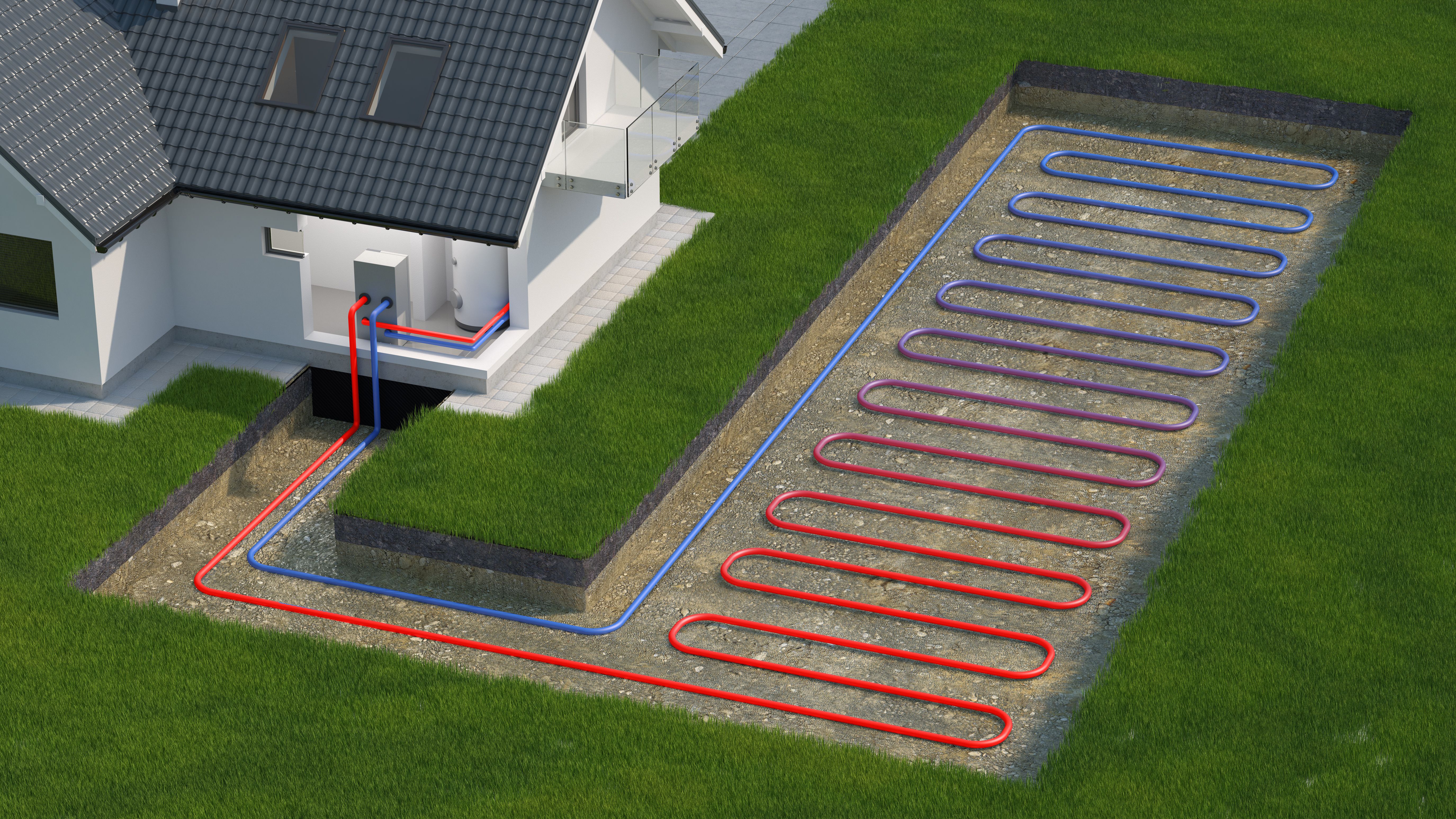
Geothermal cooling utilizes the Earth's consistent underground temperature to regulate building temperatures efficiently. By harnessing this natural resource, buildings can achieve significant energy savings. In Plano, this technology was adopted by several commercial and residential properties, resulting in a notable decrease in energy consumption.
Implementing geothermal systems involves installing a series of pipes, known as a loop, below the ground. These loops circulate a fluid that transfers heat from the building to the Earth during summer months and vice versa during winter. This system not only reduces energy costs but also minimizes the carbon footprint.
Plano's Geothermal Initiative
Plano has been at the forefront of adopting renewable energy solutions. The city's initiative to incorporate geothermal cooling into its infrastructure was driven by a commitment to sustainability and energy efficiency. This project involved collaboration between local government, businesses, and residents.
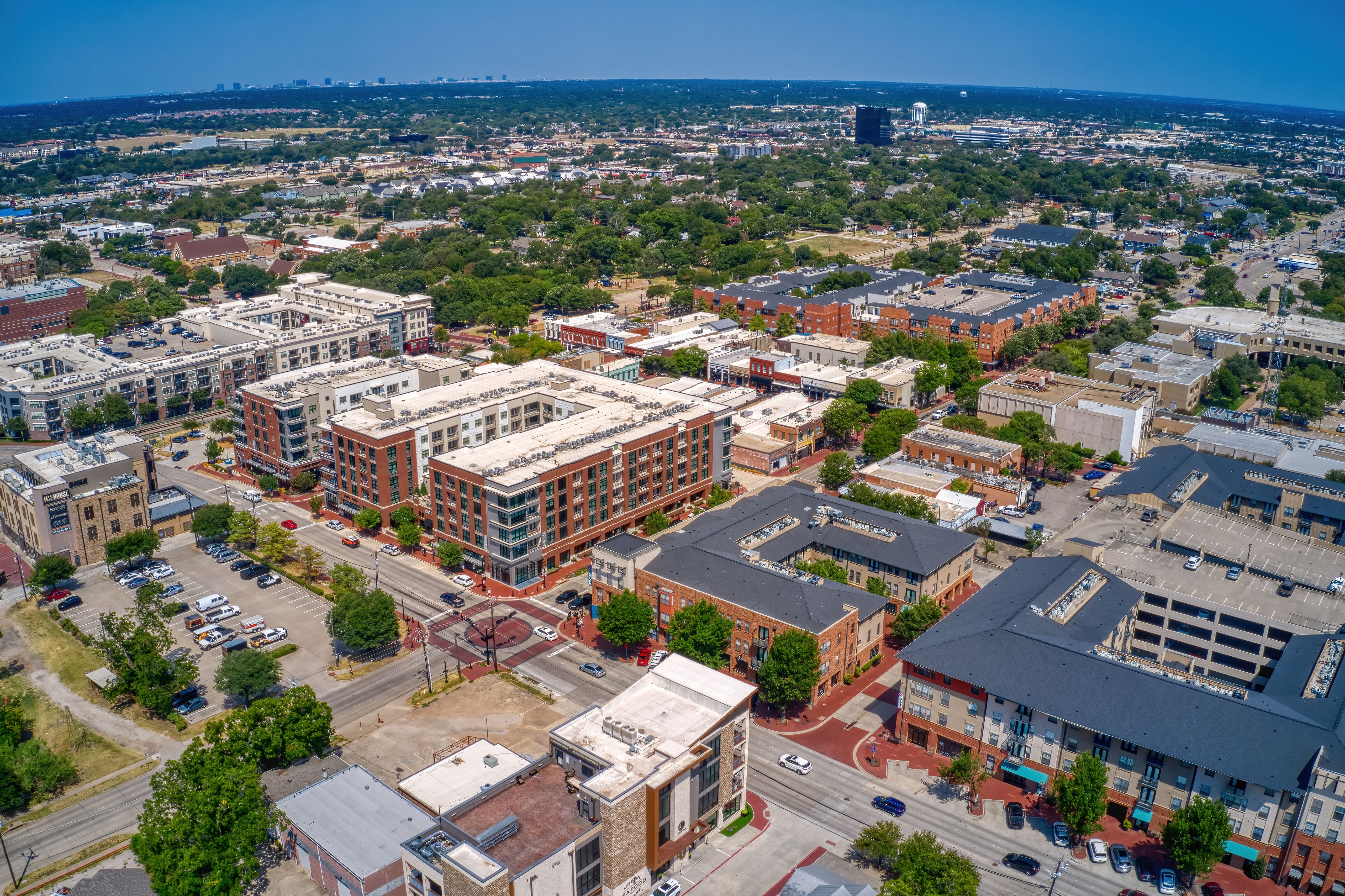
The city’s strategic plan included incentives for businesses and homeowners to transition to geothermal systems. These incentives were crucial in encouraging widespread adoption, resulting in numerous installations across the city.
Benefits of Geothermal Cooling in Plano
The implementation of geothermal cooling in Plano has brought about several benefits:
- Energy Efficiency: Buildings using geothermal systems have reported energy savings of up to 50%.
- Environmental Impact: Reduced reliance on fossil fuels and lower greenhouse gas emissions.
- Cost Savings: Lower utility bills and maintenance costs over time.

Challenges and Solutions
Despite its benefits, the implementation of geothermal cooling in Plano faced challenges. The initial cost of installation was a significant barrier for many potential users. To address this, the city provided financial assistance and rebates to offset these costs.
Another challenge was the lack of awareness and understanding of geothermal technology. Public workshops and educational campaigns were conducted to inform residents and business owners about the advantages and workings of geothermal systems.
Conclusion and Future Prospects
The successful implementation of geothermal cooling in Plano serves as a model for other cities seeking sustainable energy solutions. The project has demonstrated that with the right incentives and education, communities can transition to more efficient and environmentally friendly technologies.
Looking forward, Plano plans to expand its geothermal initiatives, aiming to further reduce its carbon footprint and enhance energy independence. This case study underscores the potential of geothermal cooling as a viable solution in the fight against climate change.