Case Study: Carbon Reduction Success with Geothermal Cooling in Plano


Introduction to Geothermal Cooling
Plano has become a shining example of environmental innovation with its successful implementation of geothermal cooling systems. This technology, which utilizes the Earth's natural heat to regulate building temperatures, offers a sustainable alternative to traditional air conditioning. By adopting this advanced solution, Plano has made significant strides in reducing carbon emissions.
The Need for Carbon Reduction
As urban areas continue to grow, the demand for energy-efficient solutions becomes increasingly critical. Traditional cooling systems contribute significantly to greenhouse gas emissions. In response, Plano sought to implement a system that would not only cool buildings effectively but also minimize environmental impact. Geothermal cooling emerged as an ideal solution, providing a path toward substantial carbon reduction.
How Geothermal Cooling Works
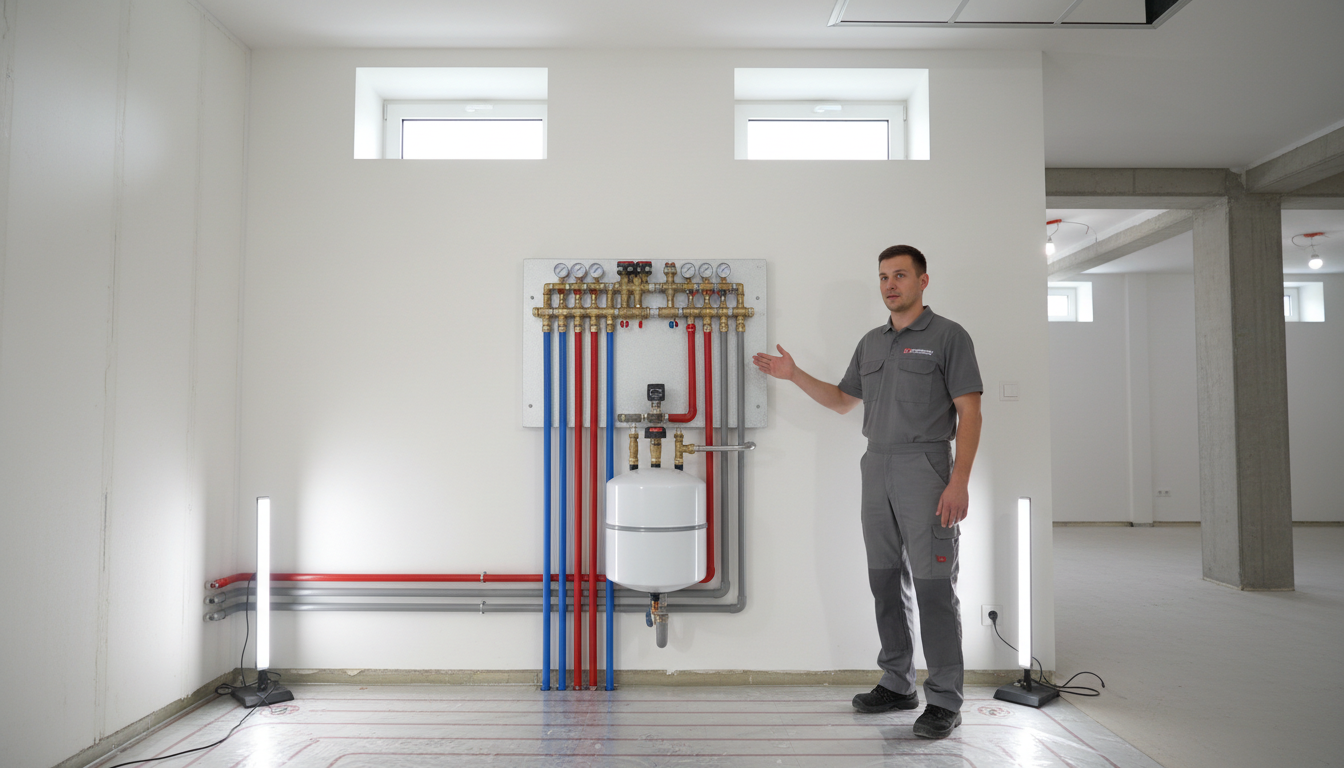
Geothermal cooling systems leverage underground temperatures to regulate indoor climates. By circulating water through underground pipes, these systems absorb heat from buildings during the summer and return it to the Earth. This process drastically reduces the reliance on fossil fuels and electricity, leading to a decrease in carbon emissions.

Implementation in Plano
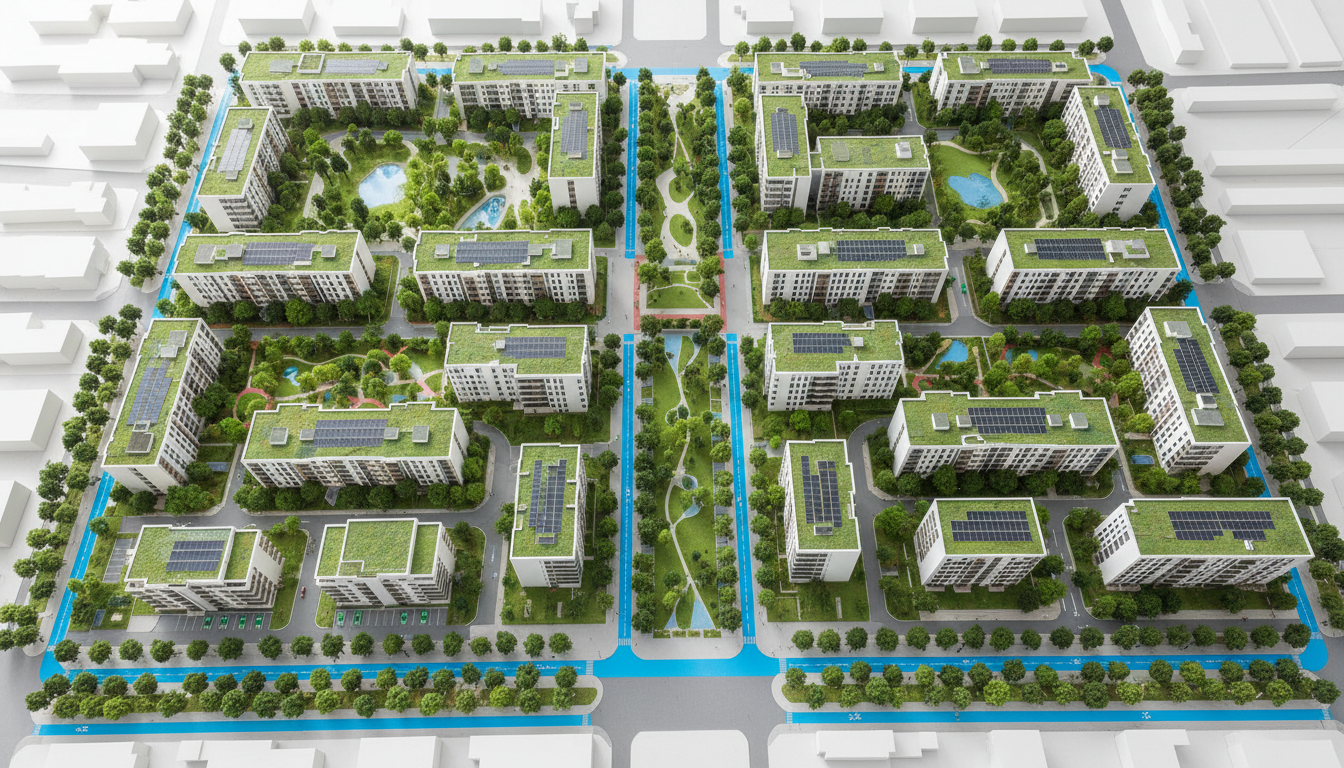
The implementation of geothermal cooling in Plano involved strategic planning and investment. Local government and private sector collaboration played a crucial role in the project's success. By installing these systems in both public buildings and residential areas, Plano set a benchmark for sustainable urban development.
The project faced initial challenges, including the need for specialized expertise and infrastructure adjustments. However, the long-term benefits, such as reduced energy costs and lower emissions, outweighed these initial hurdles.
Benefits of Geothermal Cooling
Adopting geothermal cooling offers several advantages:
- Energy Efficiency: Geothermal systems significantly cut energy consumption compared to traditional methods.
- Environmental Impact: By reducing reliance on non-renewable energy, these systems contribute to lower carbon footprints.
- Cost Savings: Over time, the reduced energy bills lead to substantial financial savings for both municipalities and residents.
Community Impact
The introduction of geothermal cooling has not only reduced carbon emissions but also inspired community engagement in sustainability initiatives. Residents and businesses have become more conscious of their energy usage, fostering a culture of environmental responsibility. This community-wide shift underscores the importance of innovative solutions in tackling climate change.
Looking Forward
Plano's success with geothermal cooling serves as a model for other cities aiming to reduce their environmental impact. As technology advances and becomes more accessible, the potential for widespread adoption grows. By continuing to prioritize sustainable practices, cities like Plano can lead the way in the global effort to combat climate change.
In conclusion, the case study of geothermal cooling in Plano highlights the transformative power of innovative technology. Through strategic implementation and community collaboration, significant strides in carbon reduction are achievable, paving the way for a greener, more sustainable future.