A Guide to Choosing Geothermal Cooling Systems for Your Data Center


Choosing the right cooling system for your data center is crucial to ensure its efficiency and longevity. Traditional cooling methods are often energy-intensive, but geothermal cooling systems offer a sustainable and cost-effective alternative. This guide will help you navigate the options available and make an informed decision for your data center.
Understanding Geothermal Cooling
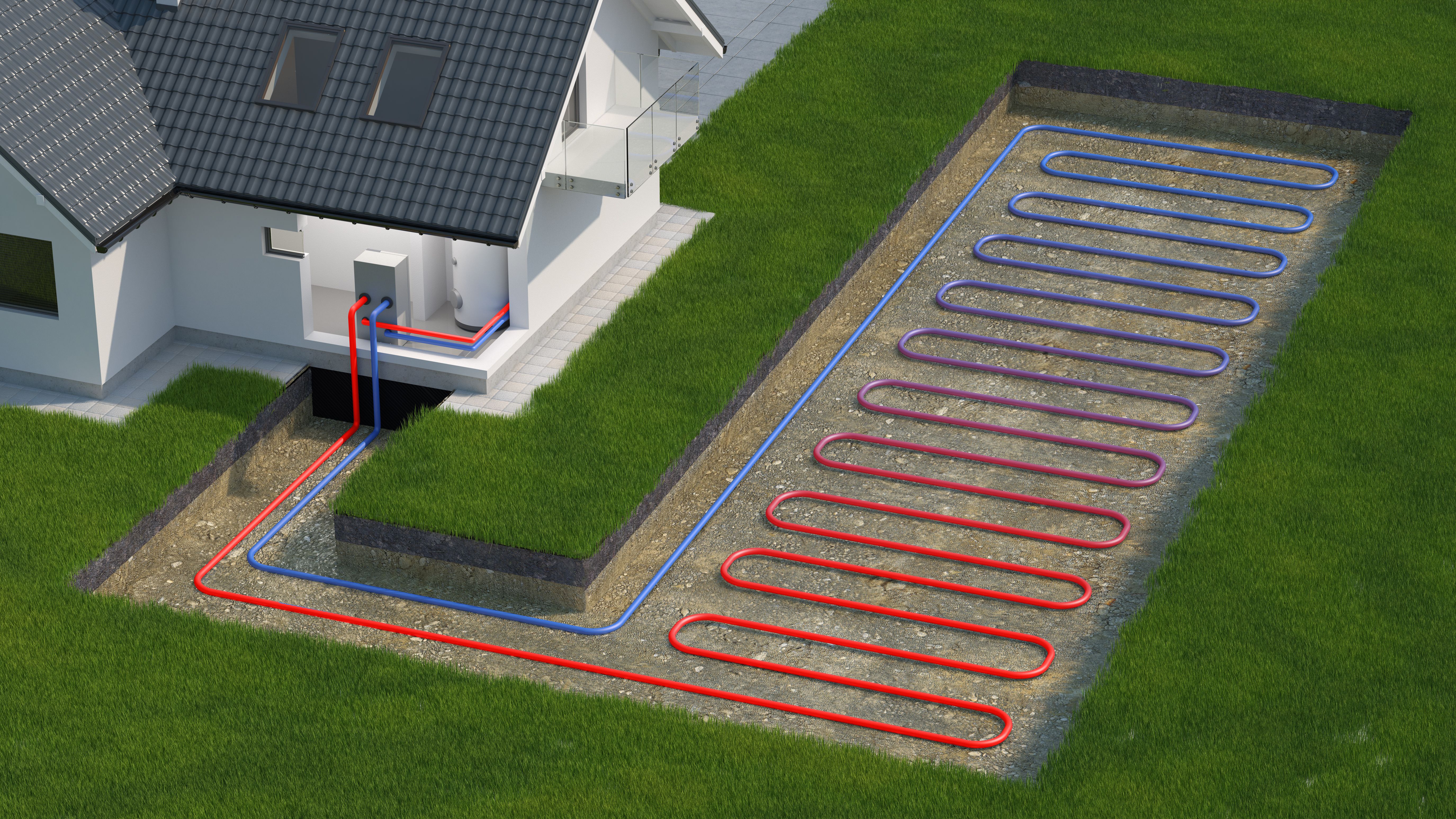
Geothermal cooling leverages the stable temperatures found just a few feet below the Earth's surface to regulate the temperature of your data center. By utilizing underground loops filled with water or refrigerant, these systems can effectively dissipate heat away from your facility.
The main advantage of geothermal systems is their ability to maintain consistent temperatures, which is essential for the optimal performance of sensitive data center equipment. Additionally, these systems are known for their low environmental impact and energy efficiency.
Key Benefits of Geothermal Cooling Systems
There are several reasons why geothermal cooling systems are becoming popular among data center operators:
- Energy Efficiency: Geothermal systems use significantly less energy compared to traditional cooling methods.
- Environmental Impact: These systems reduce reliance on fossil fuels and lower carbon emissions.
- Longevity: With fewer mechanical components, geothermal systems often have a longer lifespan.
Types of Geothermal Cooling Systems
When considering geothermal cooling for your data center, it’s essential to understand the different types available. The primary options include:
- Closed-Loop Systems: These systems circulate a water-antifreeze solution through a closed loop of pipes buried underground.
- Open-Loop Systems: These use groundwater from a well and return it to the ground after heat exchange.
- Hybrid Systems: A combination of closed and open-loop systems, optimized for specific environmental conditions.
Factors to Consider
There are several factors to keep in mind when selecting a geothermal cooling system:
- Location: The geological characteristics of your site can affect the feasibility and efficiency of geothermal systems.
- Budget: Initial installation costs can be high, but long-term savings often justify the investment.
- System Size: Ensure the system is appropriately sized to handle the heat load of your data center.

Installation and Maintenance
The installation of a geothermal cooling system requires careful planning and execution. It involves drilling and the installation of underground loops, which should be carried out by experienced professionals. Regular maintenance is crucial to ensure the system operates efficiently and to prolong its lifespan.
Maintenance typically includes checking the fluid levels in the loops, inspecting for leaks, and ensuring that the heat exchange process is functioning correctly. Keeping up with these tasks can help avoid costly repairs down the line.
Conclusion
Geothermal cooling systems offer a sustainable and efficient solution for data centers looking to reduce their environmental impact and operational costs. By understanding the different types of systems and considering factors such as location and budget, you can choose the most suitable option for your facility. As technology evolves, geothermal cooling continues to be a forward-thinking choice for data centers worldwide.