A Comprehensive Guide to Zero Water Cooling Systems for Data Centers


In the rapidly advancing world of technology, data centers have become the backbone of modern business operations. With the increasing demand for data processing power, the need for efficient cooling systems has never been more critical. Traditional water cooling methods are being replaced by innovative solutions like zero water cooling systems. This guide aims to provide a comprehensive overview of these systems and their benefits for data centers.

Understanding Zero Water Cooling Systems
Zero water cooling systems are designed to minimize or completely eliminate the use of water in the cooling process. Unlike traditional cooling methods that rely heavily on water, these systems use advanced technologies to maintain optimal temperatures. This approach not only conserves a vital resource but also reduces the environmental impact of data centers.
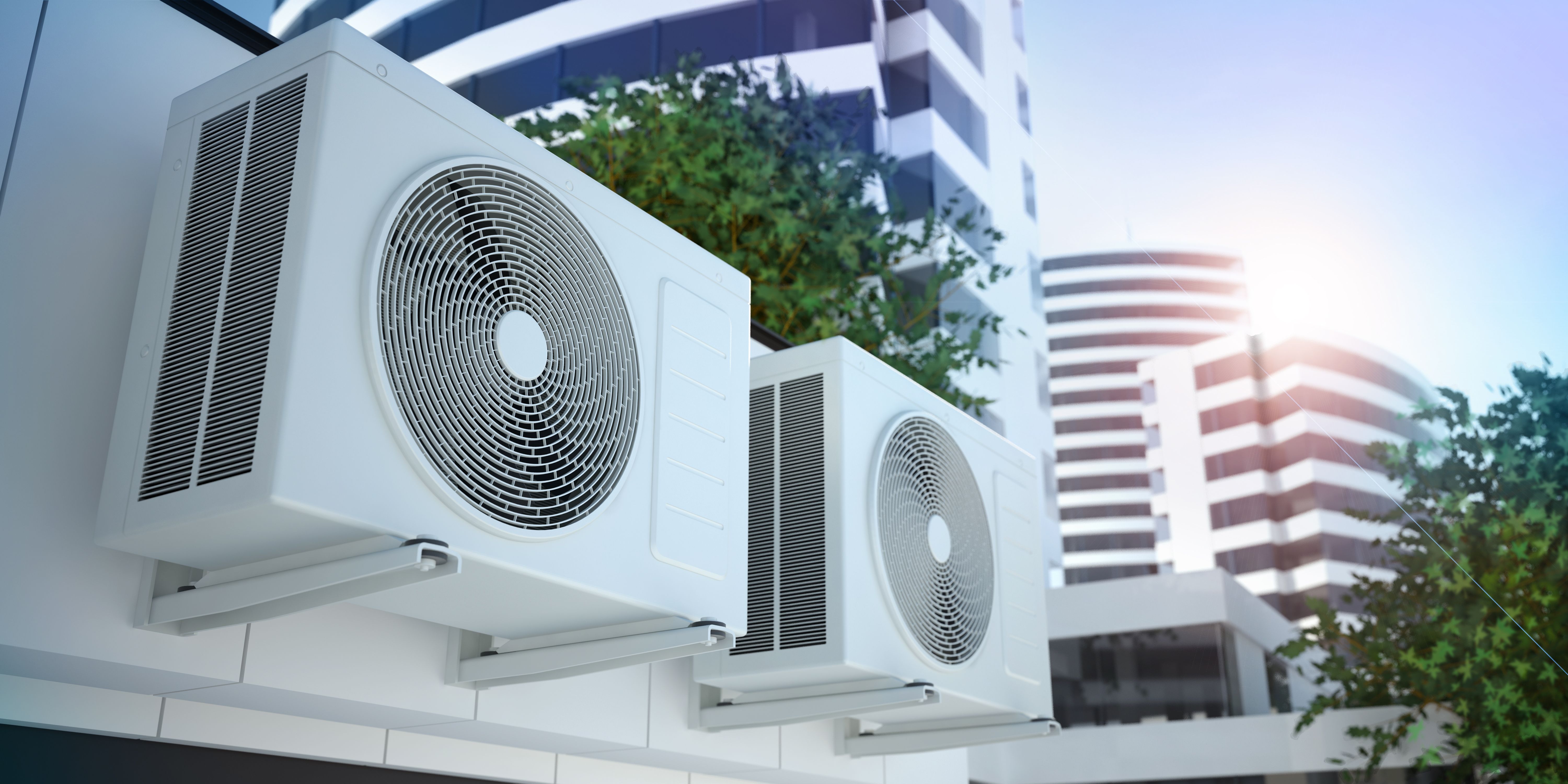
The technology behind zero water cooling involves the use of air cooling, liquid cooling without water, or advanced refrigerants. The primary goal is to achieve energy efficiency while maintaining effective temperature management within the data center environment.
Benefits of Zero Water Cooling Systems
One of the most significant advantages of zero water cooling systems is their environmental impact. By reducing or eliminating water usage, these systems contribute to sustainability efforts and help data centers achieve green certifications. Additionally, they often lead to reduced operational costs by lowering water and energy expenses.

Another benefit is the increased reliability and reduced maintenance requirements. Traditional water cooling systems can suffer from leaks and corrosion, whereas zero water systems are designed to minimize these risks. This leads to less downtime and more efficient operations.
Implementing Zero Water Cooling in Data Centers
Transitioning to zero water cooling requires careful planning and consideration. Data center managers must assess their current infrastructure and determine the best approach for integration. This may involve retrofitting existing systems or investing in new technologies.
- Evaluate current cooling needs and infrastructure.
- Research available zero water cooling technologies.
- Consider the long-term benefits and cost savings.
- Consult with experts for tailored solutions.
Challenges and Considerations
While zero water cooling systems offer numerous benefits, they also come with challenges. Initial setup costs can be higher compared to traditional systems, and the technology may require specialized knowledge for installation and maintenance. Additionally, data center managers need to ensure that these systems integrate seamlessly with existing infrastructure.
Despite these challenges, the long-term advantages, especially in terms of sustainability and cost savings, make zero water cooling an attractive option for many data centers.
The Future of Data Center Cooling
As technology continues to advance, the demand for more efficient and sustainable cooling solutions will only grow. Zero water cooling systems represent a significant step forward in this evolution. By embracing these technologies, data centers can reduce their environmental footprint and improve operational efficiency.
In conclusion, zero water cooling systems are not just a trend but a necessary innovation for the future of data centers. As more businesses recognize the importance of sustainability, these systems will likely become the standard for cooling solutions in the tech industry.