A Comprehensive Guide to Closed-Loop Geothermal Systems for Data Centers


Understanding Closed-Loop Geothermal Systems
Closed-loop geothermal systems are gaining traction in the design of energy-efficient data centers. These systems utilize the stable temperatures found underground to regulate the climate within the facility, providing a sustainable and cost-effective solution.
Unlike open-loop systems, closed-loop systems circulate a heat transfer fluid through a series of pipes buried in the ground. This setup eliminates the need for external water sources, making it a reliable choice for data centers concerned with water usage.
How Closed-Loop Systems Work
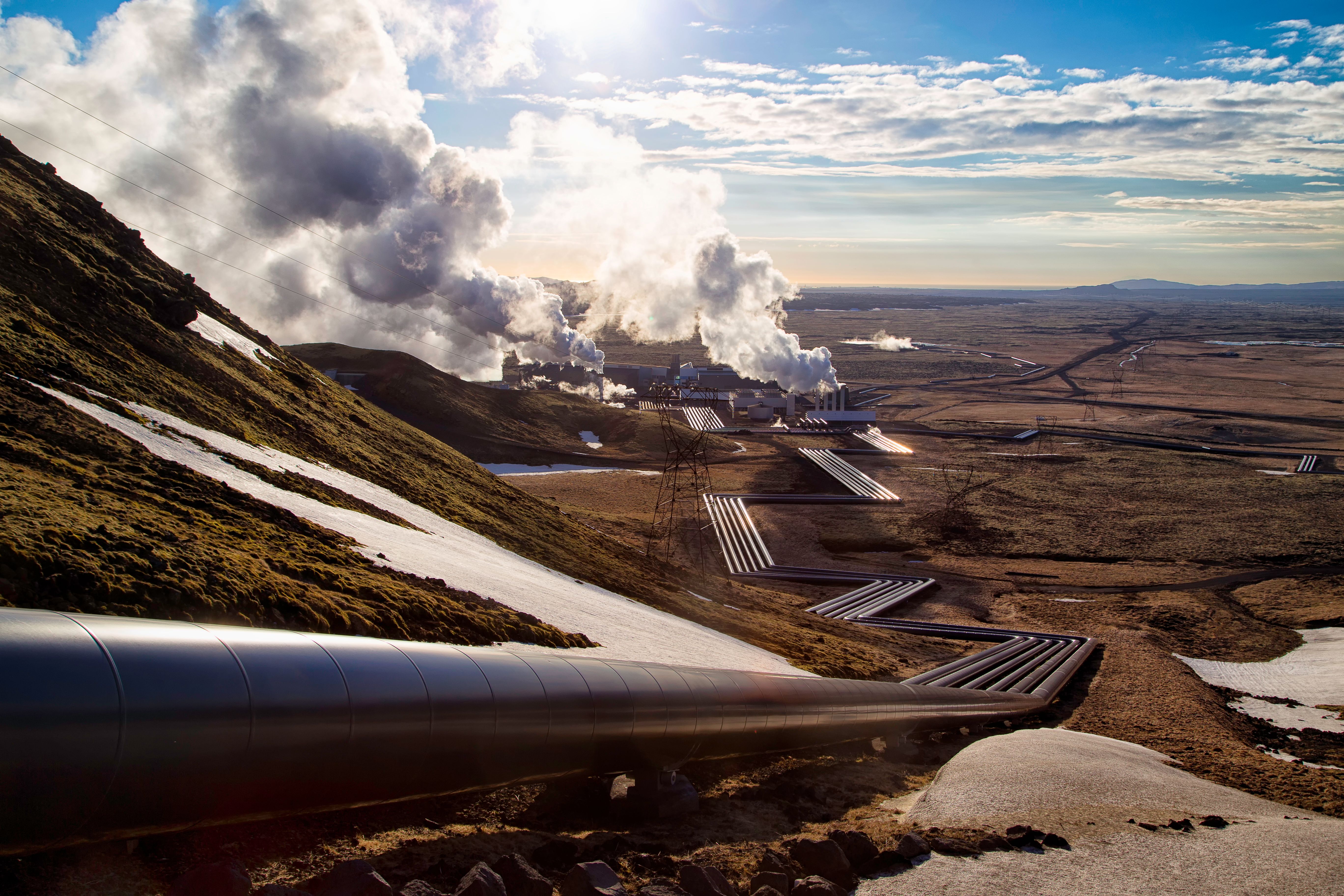
The operation of a closed-loop geothermal system is based on the principle of heat exchange. The system absorbs heat from the data center and transfers it underground during the cooling process. Conversely, during heating, the system extracts warmth from the ground and distributes it throughout the facility.
This exchange is facilitated by the heat transfer fluid, which can be water or a water-antifreeze mixture. The fluid circulates through the pipes, effectively transferring heat to and from the earth. This process not only keeps data centers at optimal temperatures but also reduces energy consumption significantly.
Types of Closed-Loop Configurations
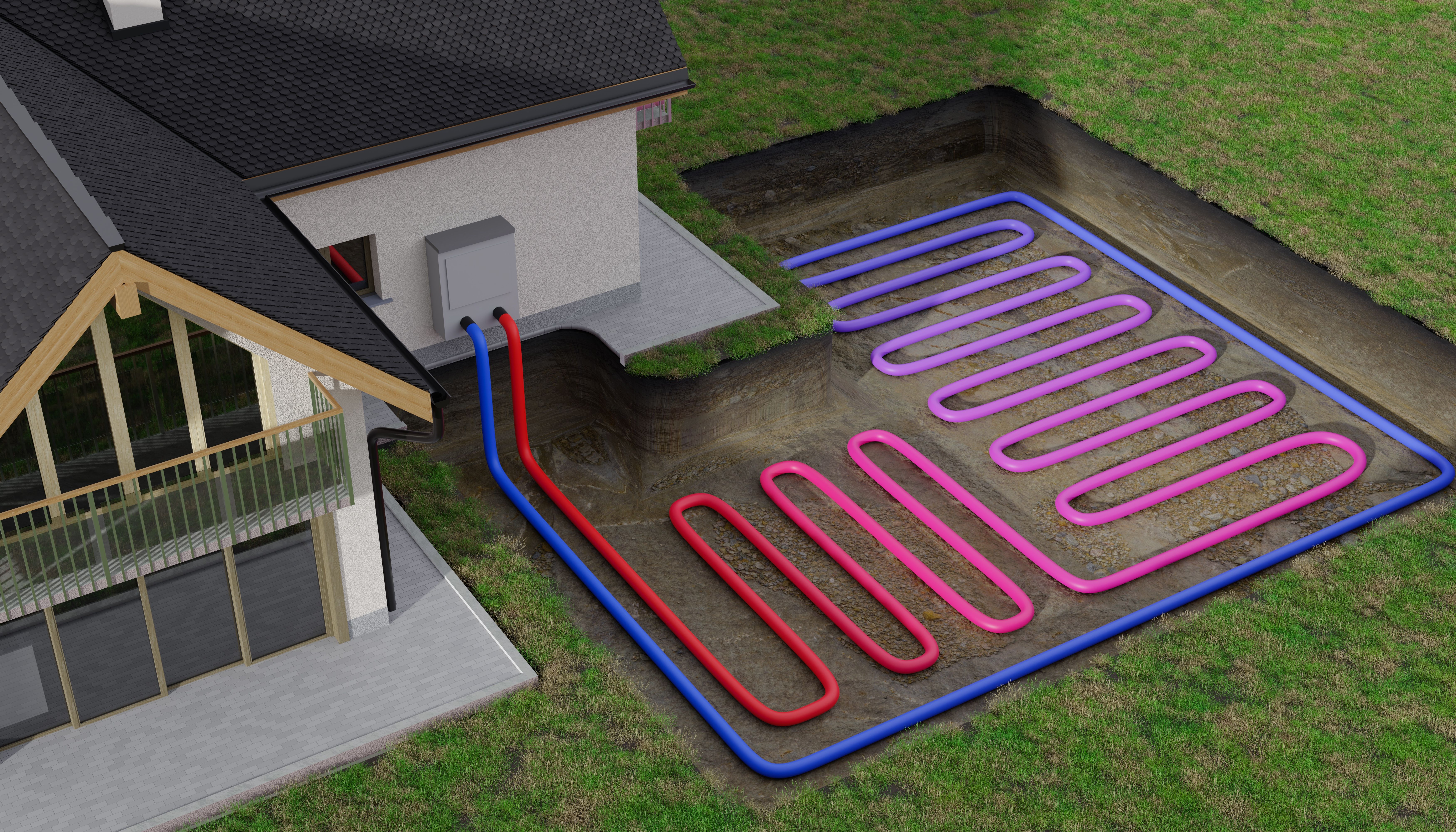
There are several configurations of closed-loop systems, each suited for different geographical and spatial conditions. The most common types are horizontal, vertical, and pond/lake loops.
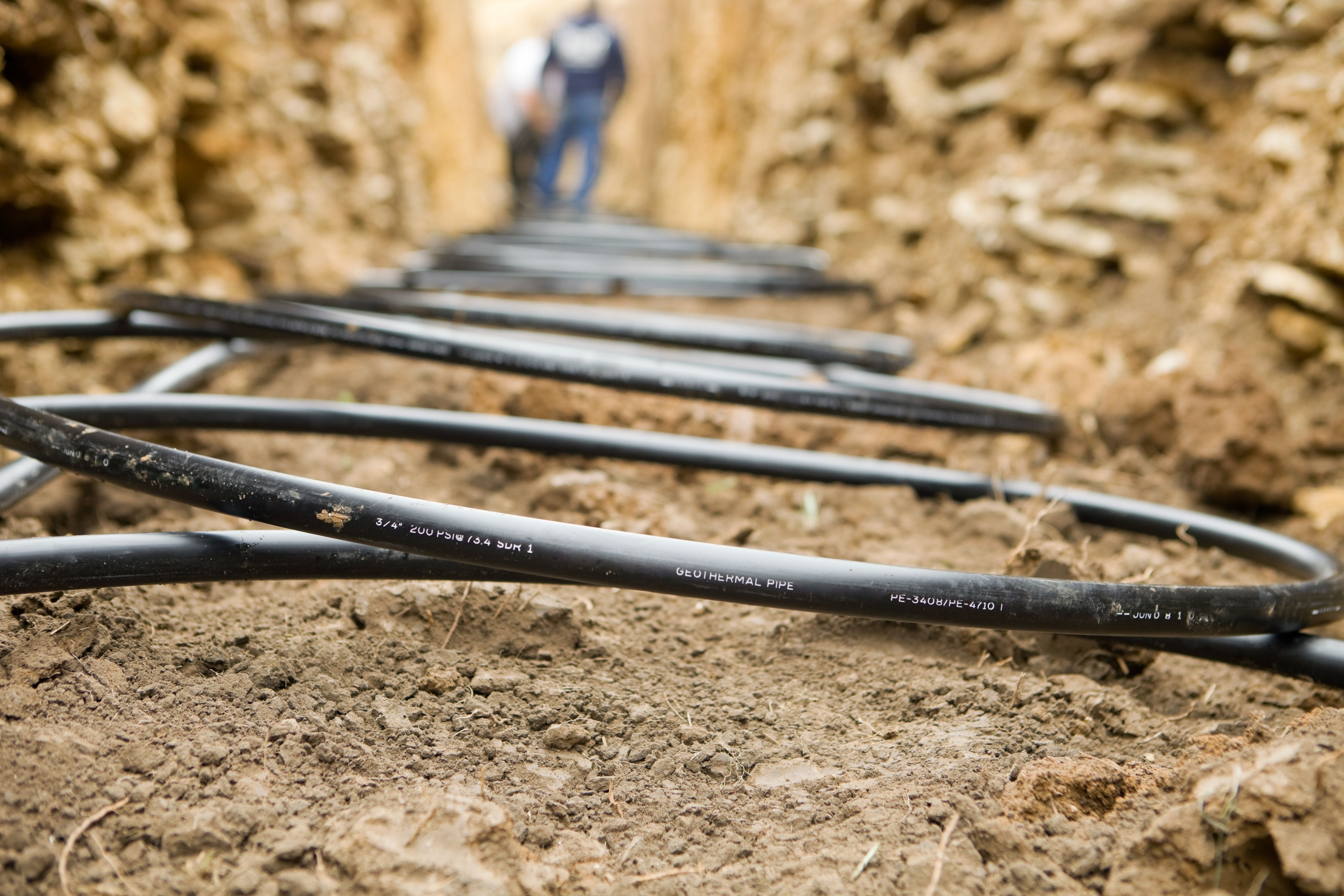
- Horizontal loops are installed in trenches and are ideal for locations with ample land space.
- Vertical loops are suitable for areas with limited space and involve drilling deep holes into the ground.
- Pond/lake loops utilize bodies of water and are often the most cost-effective if a suitable water source is available.
Benefits for Data Centers
Implementing a closed-loop geothermal system in a data center offers numerous benefits. One of the primary advantages is energy efficiency. By utilizing the earth's stable temperatures, data centers can significantly reduce their reliance on traditional cooling methods, leading to lower energy bills.
Additionally, these systems are environmentally friendly. They have a low carbon footprint, helping data centers meet sustainability goals and adhere to environmental regulations.
Challenges and Considerations
While closed-loop geothermal systems offer many advantages, there are also challenges to consider. The initial installation cost can be high, requiring careful financial planning and consideration of long-term savings.
Moreover, the design and installation process is complex and requires expertise to ensure optimal performance. It's crucial to work with experienced professionals who can assess the site's suitability and design an efficient system.
Conclusion and Future Outlook
Closed-loop geothermal systems represent a promising solution for data centers looking to improve energy efficiency and sustainability. As technology advances and costs decrease, these systems are likely to become more prevalent in the industry.
Investing in geothermal technology not only supports environmental goals but also positions data centers at the forefront of innovation, ready to tackle the challenges of a data-driven future.