A Comprehensive Guide to Closed-Loop Geothermal Systems for Data Centers


Understanding Closed-Loop Geothermal Systems
Closed-loop geothermal systems are becoming a popular choice for data centers seeking sustainable and efficient energy solutions. These systems use a series of underground pipes filled with a heat transfer fluid to exchange heat with the earth. By leveraging the constant temperature of the ground, data centers can achieve significant energy savings and reduce their carbon footprint.
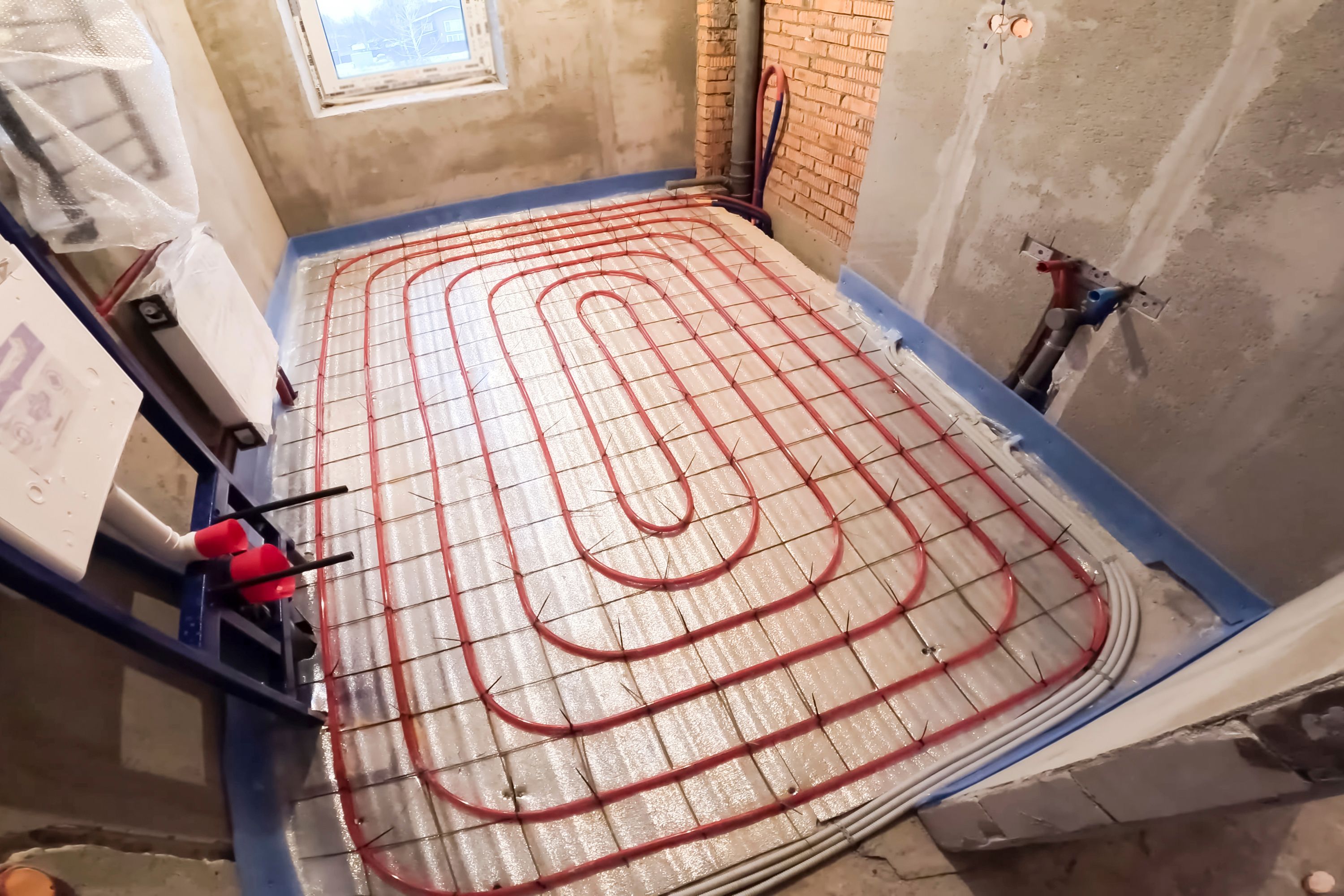
Unlike traditional heating and cooling methods, closed-loop systems do not rely on fossil fuels. Instead, they utilize the earth’s natural thermal energy, making them an environmentally friendly option. This approach not only helps in reducing greenhouse gas emissions but also contributes to the long-term sustainability goals of data centers.
How Closed-Loop Systems Work
Closed-loop geothermal systems typically consist of three main components: the ground loop, heat pump, and distribution system. The ground loop is buried underground and circulates a mixture of water and antifreeze. This mixture absorbs heat from the earth during winter and dissipates heat back into the ground during summer.
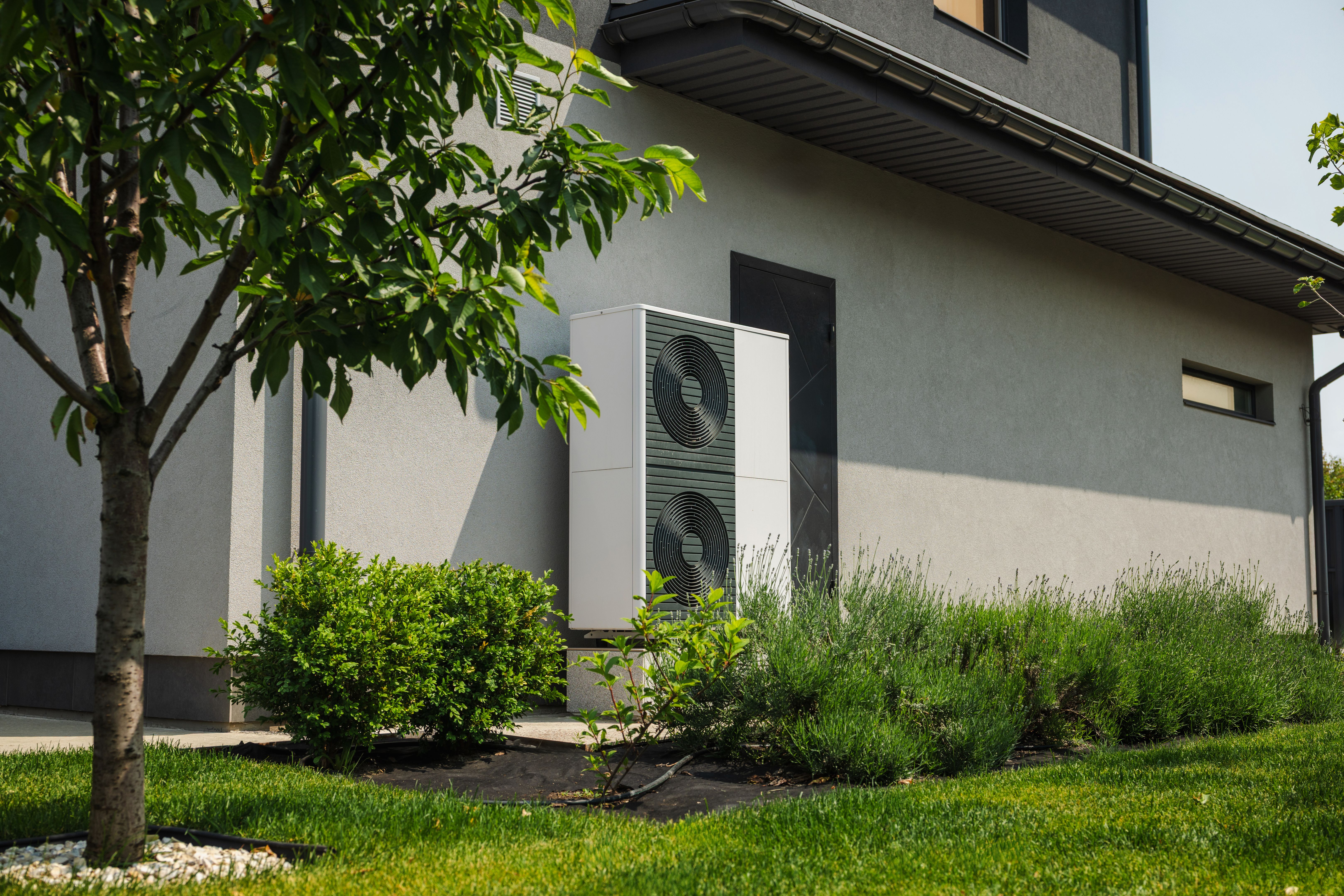
The heat pump is responsible for transferring this thermal energy to the data center. It extracts heat from the fluid in winter, providing warmth, and removes heat from the building in summer, offering cooling. Meanwhile, the distribution system ensures even heating or cooling throughout the facility.
Types of Closed-Loop Systems
Data centers can choose from several types of closed-loop systems based on their specific needs and geographical location. The most common types include:
- Horizontal Loops: Ideal for areas with sufficient land space, these loops are laid out in trenches.
- Vertical Loops: Suitable for limited space, these loops are installed using deep boreholes.
- Pond/Lake Loops: Used when a body of water is available, offering cost-effective installation.
Benefits of Closed-Loop Geothermal Systems
There are several compelling benefits for data centers adopting closed-loop geothermal systems. First and foremost, these systems provide a consistent and reliable source of heating and cooling. This reliability is crucial as data centers require constant temperature control to ensure optimal operation.
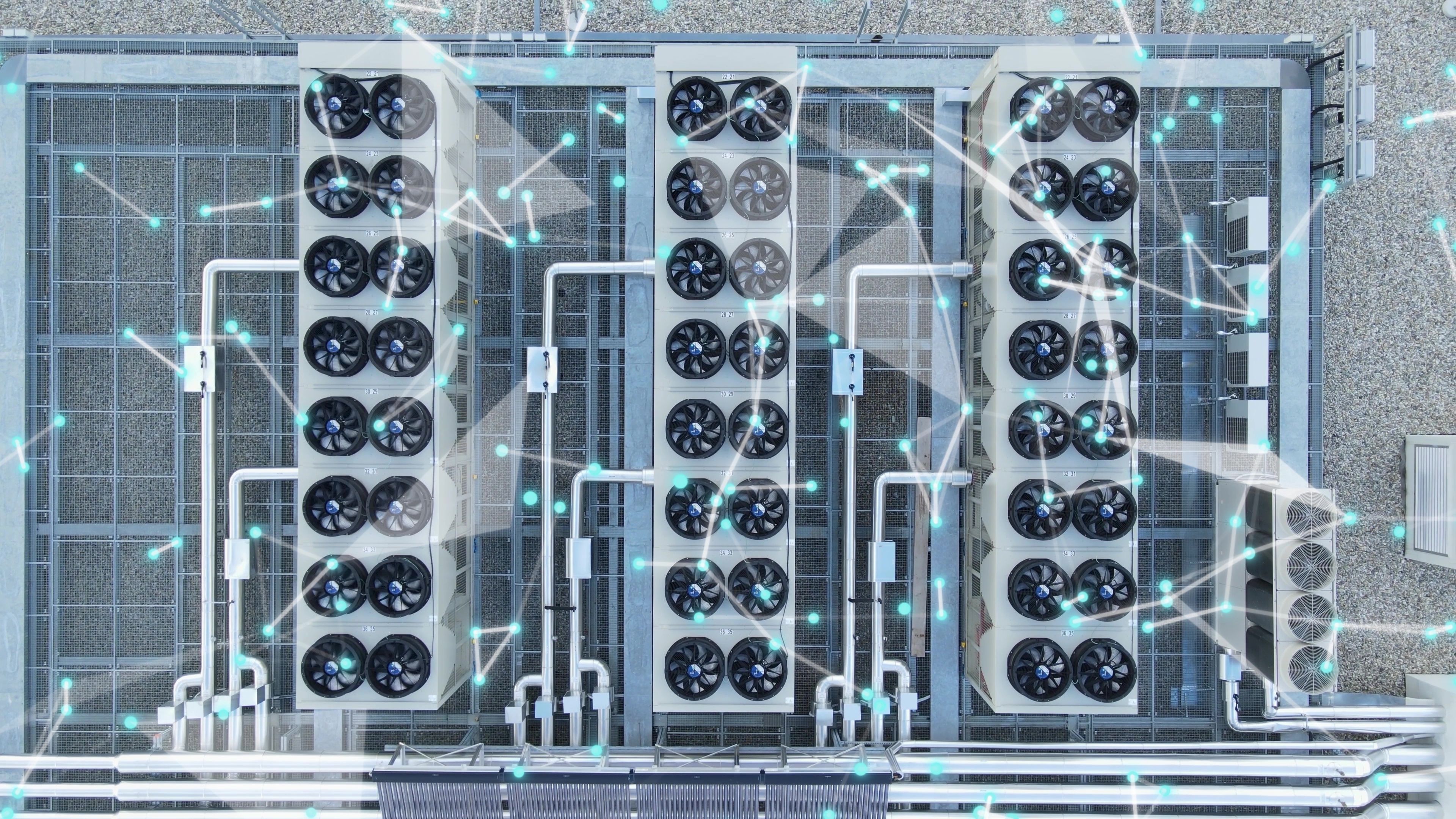
Additionally, geothermal systems significantly reduce operating costs. By using the earth’s stable temperature, these systems can minimize the energy required for temperature regulation. Over time, this translates into substantial financial savings, making the initial investment in geothermal technology worthwhile.
Environmental Impact
Closed-loop geothermal systems offer a cleaner energy solution, contributing to a reduction in carbon emissions. This aligns with the increasing emphasis on eco-friendly practices within the tech industry. By integrating geothermal solutions, data centers can meet regulatory requirements and appeal to environmentally-conscious clients.
Challenges and Considerations
While the advantages are clear, there are some challenges to consider. The initial setup cost for closed-loop systems can be high, and the installation process may require significant planning and expertise. Data centers must carefully evaluate site conditions and work with experienced professionals to design an efficient system.
Moreover, maintenance is crucial to ensure the longevity and performance of the system. Regular inspections and fluid checks are necessary to prevent leaks and maintain efficiency. Despite these challenges, the long-term benefits often outweigh the initial hurdles.

In conclusion, closed-loop geothermal systems present a forward-thinking solution for data centers aiming to enhance sustainability and efficiency. By understanding their operation, benefits, and challenges, data centers can make informed decisions and contribute to a greener future.