A Beginner's Guide to Industrial Robotics for Workplace Safety


Introduction to Industrial Robotics
Industrial robotics is revolutionizing workplaces by enhancing efficiency, precision, and safety. These technological marvels are designed to perform tasks ranging from simple to complex, often in environments that may be hazardous to humans. As companies strive to improve workplace safety, understanding the basics of industrial robotics becomes essential.
The integration of robotics in industries not only boosts productivity but also significantly reduces the risk of workplace accidents. By taking over dangerous tasks, robots ensure that human workers are kept out of harm's way.

The Role of Robotics in Enhancing Safety
Reducing Human Error
One of the primary benefits of industrial robots is their ability to perform repetitive tasks with high precision. Human workers, when subjected to monotonous tasks, may experience fatigue, leading to errors. Robots, on the other hand, maintain consistent performance, thereby reducing the likelihood of accidents due to human error.
Handling Hazardous Materials
In many industries, handling hazardous materials is a daily requirement. Robots can be designed to manage such tasks safely, without the risk of exposure to harmful substances. This not only protects human workers but also ensures compliance with safety regulations.
Types of Industrial Robots
Articulated Robots
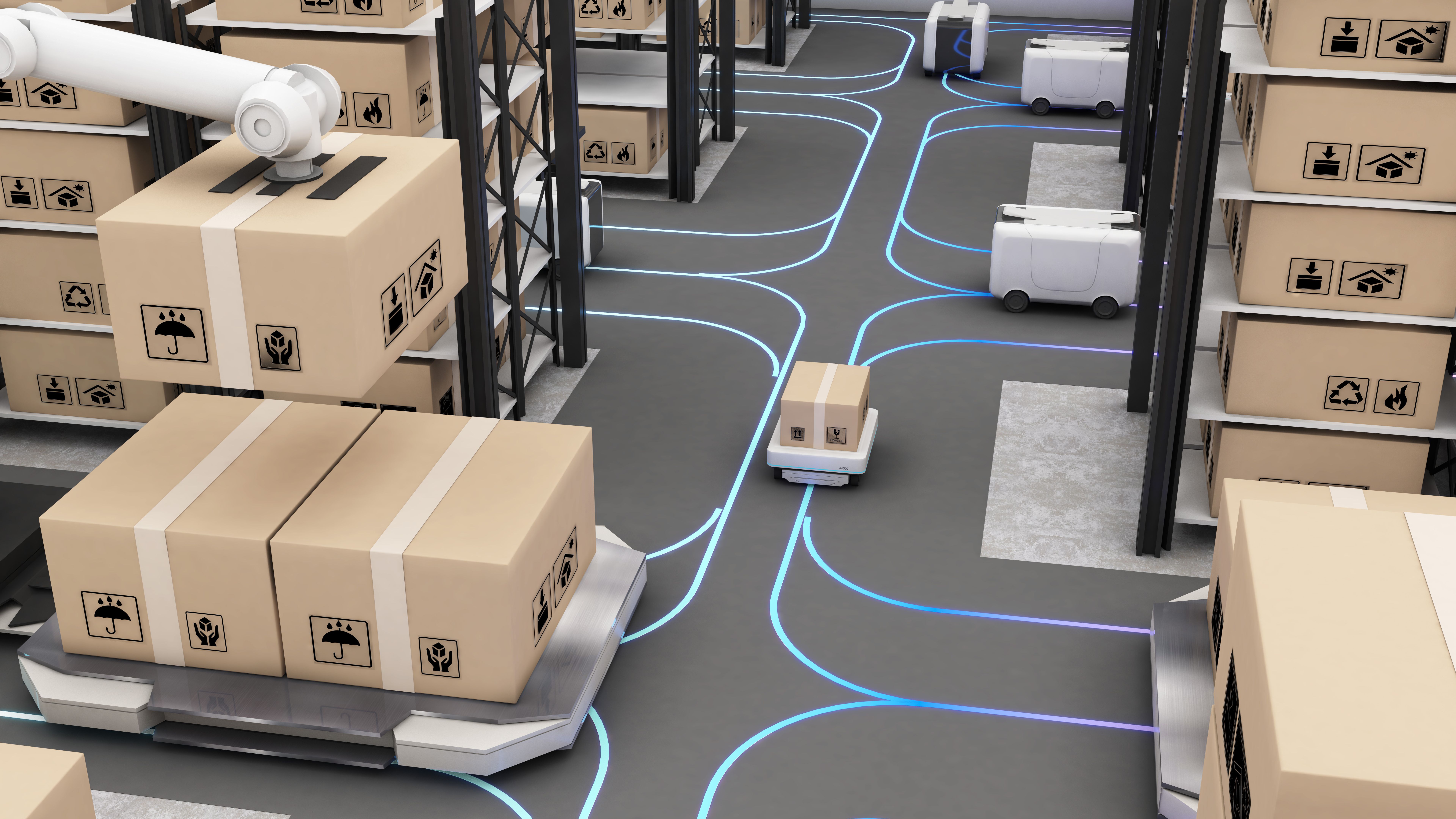
Articulated robots, with their rotary joints, are commonly used in manufacturing. They are highly versatile and can be programmed to perform a variety of tasks, such as welding, painting, and assembly. Their flexibility allows them to operate in tight spaces, making them ideal for tasks that require precision.
Collaborative Robots
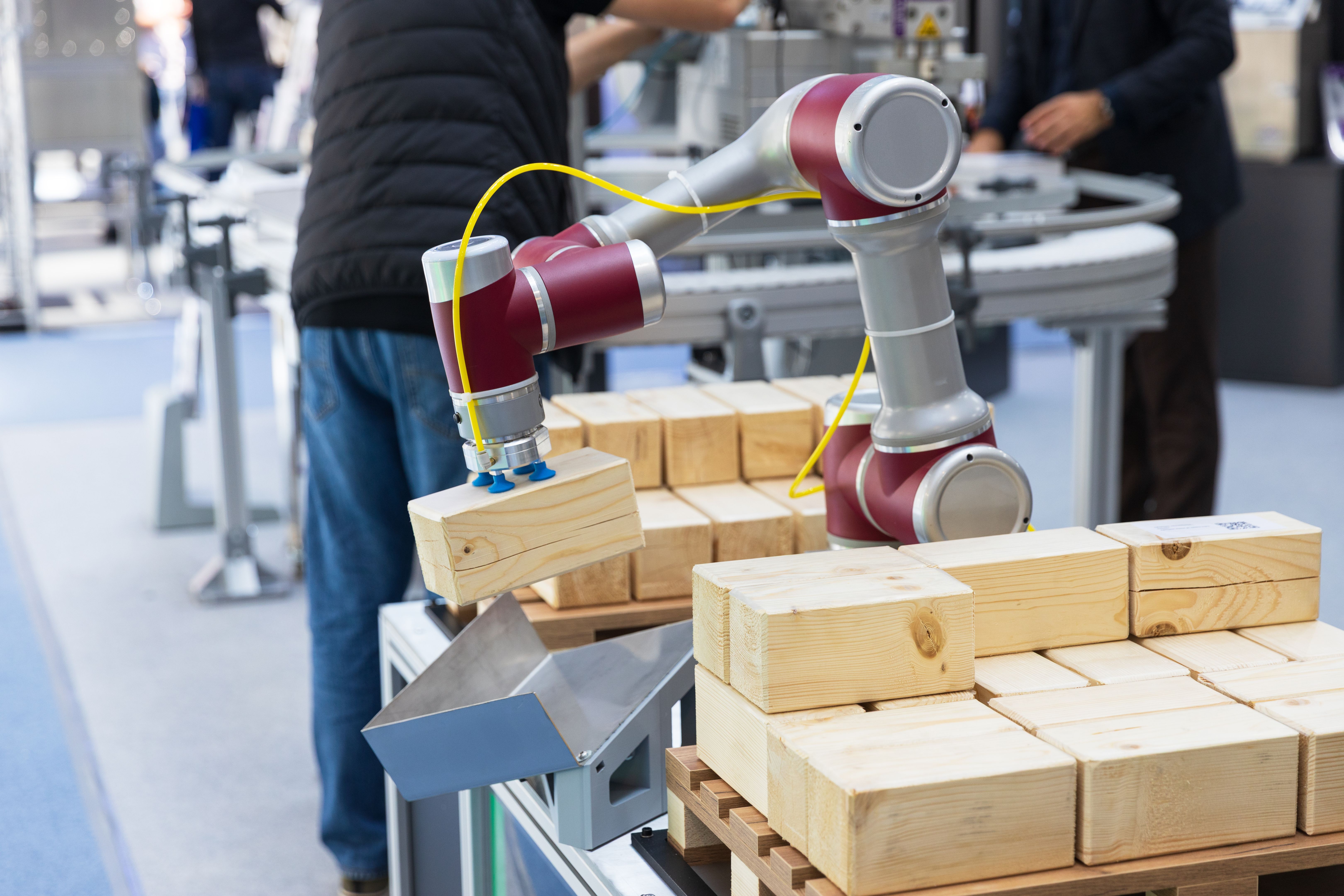
Collaborative robots, or cobots, are designed to work alongside human workers. Equipped with advanced sensors, they can detect human presence and adjust their movements to prevent accidents. This collaboration between humans and robots enhances safety and efficiency in the workplace.
Implementing Robotics for Safety
Assessing Workplace Needs
Before implementing robotics, it's crucial to assess the specific needs of your workplace. Consider the tasks that pose the highest risk to human workers and evaluate whether these can be automated. Conducting a thorough risk assessment will help identify the areas where robots can make the most significant impact.
Training and Integration
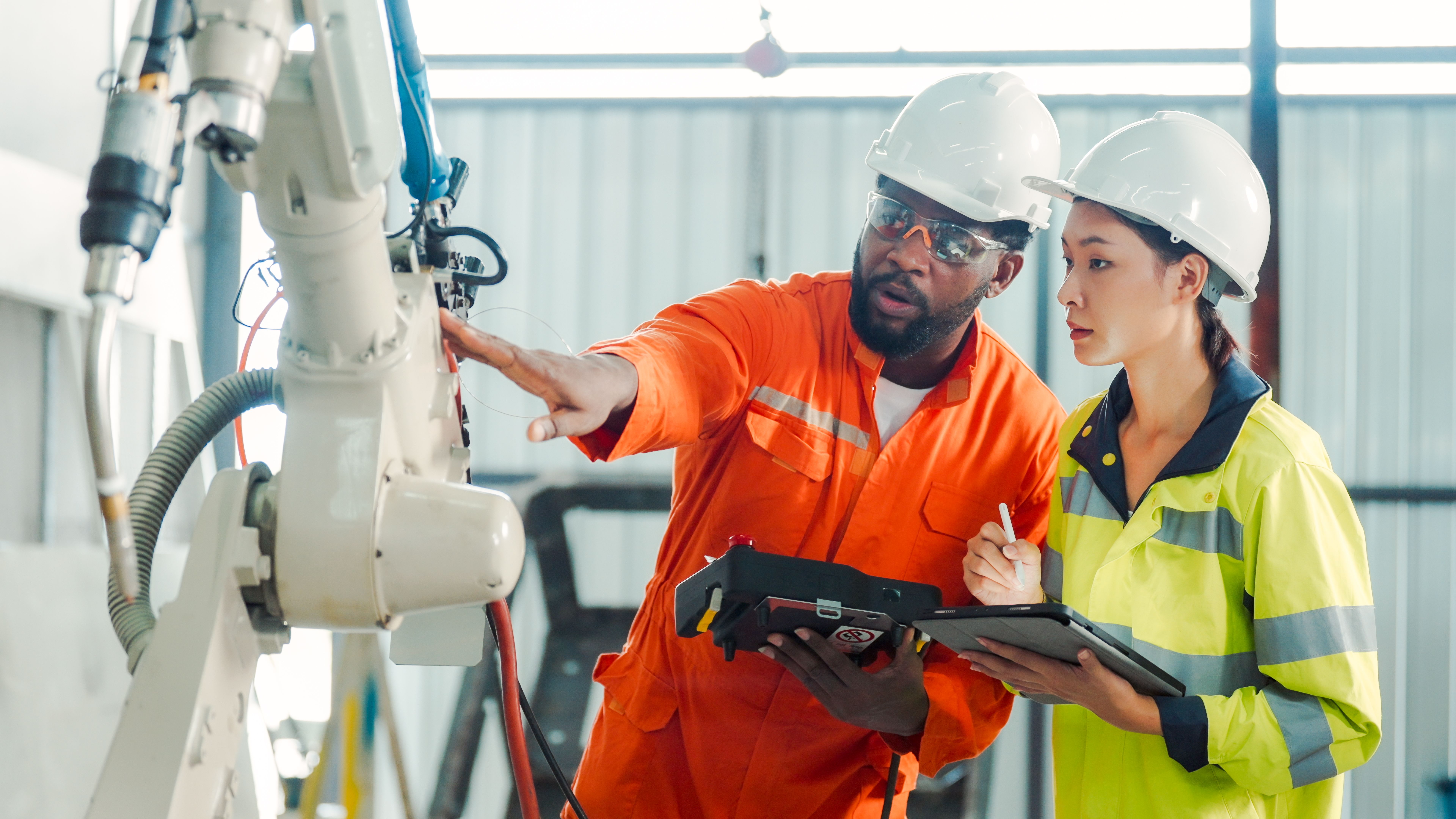
Introducing robotics into a workplace requires careful planning and training. Employees need to be educated on how to work alongside robots safely. Integration should be gradual, allowing workers to adapt to new processes and technology.
Conclusion
Industrial robotics offers a promising solution to enhance workplace safety while boosting productivity. By understanding the types of robots available and their applications, businesses can make informed decisions on how to integrate these technologies effectively. As robotics continues to evolve, its role in creating safer work environments will only grow more vital.
For companies looking to stay ahead, embracing industrial robotics is not just an option—it's a necessity. By prioritizing safety and innovation, businesses can ensure a safer, more efficient future.